
US-Iran Conflict Deepens as Ceasefire Weakens and Peace Talks Remain Uncertain
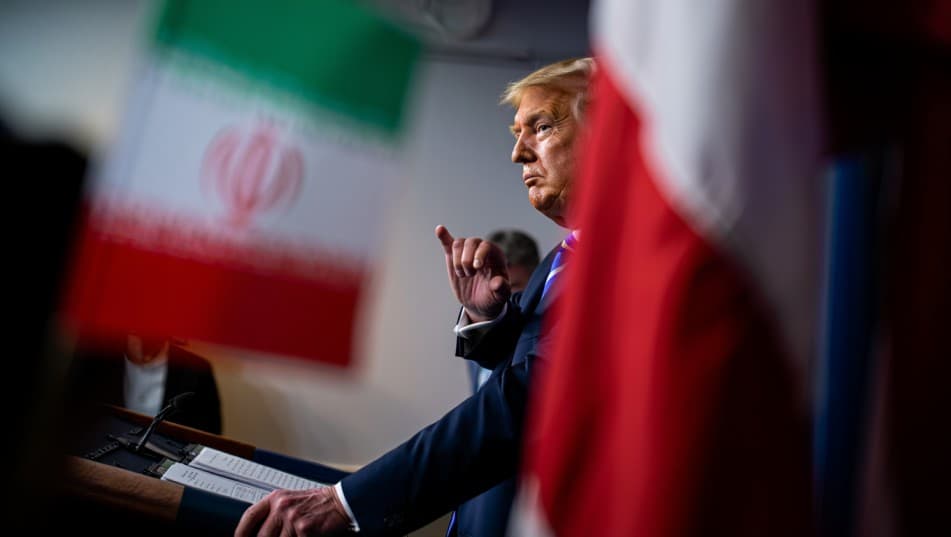
Military and diplomatic developments continue to challenge efforts to stabilize the region.
Executive Summary
The US-Iran conflict entered a more volatile phase after fresh missile and drone incidents raised doubts about the durability of an already fragile ceasefire. As diplomatic negotiations struggle to gain momentum, military exchanges, regional security concerns, and uncertainty over the Strait of Hormuz are keeping global markets and policymakers on edge.
Key Takeaways
- ✓Ceasefire violations are increasing concerns about regional stability.
- ✓Missile and drone incidents continue to escalate tensions.
- ✓The Strait of Hormuz remains a critical global economic concern.
- ✓Peace negotiations face significant diplomatic obstacles.
- ✓Investors are closely monitoring geopolitical developments and energy markets.
US-Iran Conflict Deepens as Ceasefire Weakens and Peace Talks Remain Uncertain
The US Iran Conflict has entered a critical stage as renewed military activity and diplomatic setbacks threaten hopes for a lasting ceasefire in the Middle East. Recent attacks involving missile and drone strikes have intensified concerns that the region could face a prolonged period of instability despite ongoing efforts to secure a negotiated settlement.
Ceasefire Under Growing Pressure
A strike targeting Kuwait International Airport added fresh uncertainty to an already fragile ceasefire arrangement. The incident resulted in casualties and renewed diplomatic condemnation across the Gulf region. Conflicting accounts surrounding responsibility for the attack have further complicated efforts to reduce tensions.
Although officials continue to describe the ceasefire as technically active, repeated military incidents suggest that trust between the parties remains extremely limited. Analysts note that ceasefires often require sustained communication and verification mechanisms, both of which appear increasingly strained.
Escalating Military Activity Across the Region
In recent days, military forces have reported multiple missile launches, drone interceptions, and defensive operations throughout the Gulf. Security concerns have expanded beyond direct confrontation zones, affecting regional infrastructure, shipping routes, and civilian facilities.
Military analysts warn that such incidents increase the risk of miscalculation. Even limited engagements can trigger broader escalation if either side perceives an attack as a significant strategic threat.
Why the Strait of Hormuz Matters
One of the most significant geopolitical concerns remains the Strait of Hormuz, a vital maritime route through which a substantial share of global oil exports passes.
Any disruption to shipping activity in the area could have consequences far beyond the Middle East, potentially affecting:
| Sector | Potential Impact |
|---|---|
| Energy Markets | Higher oil prices |
| Shipping | Increased insurance and transport costs |
| Global Trade | Supply chain disruptions |
| Financial Markets | Higher volatility |
Investors closely monitor developments in the region because energy market disruptions often influence inflation, central bank policy, and economic growth expectations.
Diplomatic Efforts Face Major Obstacles
Despite public statements supporting negotiations, progress toward a formal agreement appears slow. Reports indicate that communication channels between Washington and Tehran have become increasingly limited.
Diplomatic experts argue that both sides face domestic and international pressures that make compromise difficult. Security concerns, regional alliances, and long-standing disputes continue to complicate negotiations.
The challenge for mediators is not only achieving a ceasefire but also creating a framework capable of preventing future escalation.
Political Tensions Add Complexity
Political rhetoric has added another layer of uncertainty. Statements from leaders on both sides have generated headlines and influenced market sentiment.
Observers note that public comments often serve multiple purposes, including domestic political messaging, strategic signaling, and negotiation positioning. As a result, investors and policymakers are increasingly focused on actual developments rather than political statements alone.
Market Reaction Remains Cautious
Financial markets have responded with caution rather than panic. While geopolitical tensions typically create short-term volatility, investors continue to weigh strong corporate earnings and economic fundamentals against rising security risks.
Market strategists suggest that energy prices, defense-related sectors, and safe-haven assets may remain particularly sensitive to developments in the region.
Expert Analysis: What Happens Next?
Several possible scenarios could emerge over the coming weeks:
- Diplomatic talks resume and reduce immediate tensions.
- Limited military exchanges continue without major escalation.
- Broader regional involvement increases instability.
- Energy markets experience renewed volatility if shipping routes are threatened.
Most analysts believe that the second scenario remains the most likely in the near term, with periodic military incidents occurring alongside intermittent diplomatic engagement.
Conclusion
The US Iran Conflict remains one of the most closely watched geopolitical developments in the world. With ceasefire violations, military activity, and stalled diplomacy continuing simultaneously, uncertainty remains high. The coming weeks will likely determine whether negotiations can regain momentum or whether the region faces an extended period of confrontation. For governments, businesses, and investors alike, developments in the Middle East will remain a critical factor shaping global economic and security conditions.
Arjun
Senior News CorrespondentCredentials: M.Sc. in Quantitative Finance
Arjun is a quantitative research writer focusing on algorithmic trading trends, derivative pricing, and technical market indicators.
