
Trump Heads to G7 Summit After US-Iran Peace Deal Reshapes Global Agenda
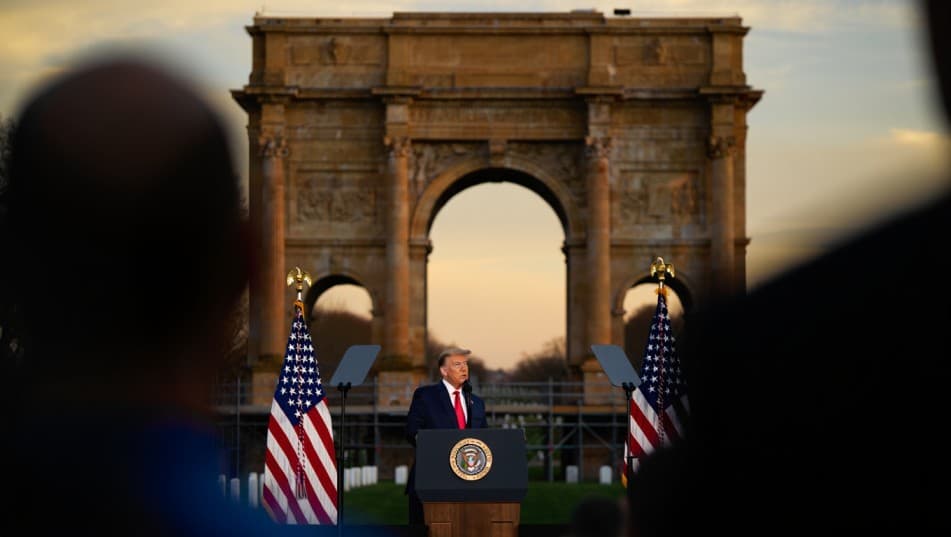
The G7 Summit opens in France against the backdrop of a major US-Iran peace agreement and growing debates over AI, trade, and global security.
Executive Summary
The 2026 G7 Summit begins in France as President Donald Trump arrives following a surprise US-Iran agreement aimed at ending Middle East hostilities. The summit will focus on global inequality, artificial intelligence regulation, trade disputes, security challenges, and the future of multilateral cooperation. The peace deal and reopening of the Strait of Hormuz are expected to influence energy markets and investor sentiment worldwide.
Key Takeaways
- ✓The G7 Summit begins shortly after a landmark US-Iran peace agreement.
- ✓President Donald Trump is attending alongside leaders from the world's major economies.
- ✓The reopening of the Strait of Hormuz may ease pressure on global energy markets.
- ✓Artificial intelligence regulation is expected to be a major point of debate.
- ✓Europe and the United States hold differing views on AI governance.
- ✓Trade, inequality, and global security remain central summit themes.
- ✓The summit's outcomes could influence markets, energy prices, and technology policy.
- ✓India is closely watching developments due to implications for trade, energy, and technology sectors.
Trump Heads to G7 Summit After US-Iran Peace Deal Reshapes Global Agenda
The 2026 G7 Summit opens in Évian-les-Bains, France, at a pivotal moment for global politics and economics. World leaders are gathering just hours after a major diplomatic breakthrough between the United States and Iran, a development that could significantly alter discussions around security, energy markets, and international cooperation.
President Donald Trump's arrival at the summit comes amid renewed attention on the United States' role in global affairs. The agreement between Washington and Tehran, announced on the eve of the summit, has reduced immediate concerns about a prolonged Middle East conflict and injected fresh optimism into global markets.
The three-day gathering will bring together leaders from the world's leading advanced economies to address some of the most pressing challenges facing the international community.
Who Is Attending the G7 Summit?
The Group of Seven consists of:
- United States
- Canada
- France
- Germany
- Italy
- Japan
- United Kingdom
The summit host, France, is welcoming heads of government, senior ministers, international organizations, and invited industry leaders.
In addition to political leaders, executives from major technology companies and artificial intelligence firms are expected to participate in discussions surrounding innovation, regulation, and economic competitiveness.
US-Iran Peace Deal Changes the Summit Narrative
One of the most significant developments ahead of the summit is the announcement of a US-Iran agreement aimed at ending hostilities in the Middle East.
According to reports, the agreement includes:
- A halt to military operations
- Reopening of the Strait of Hormuz
- Removal of the US naval blockade
- Commitments to de-escalation across the region
The agreement immediately shifted the geopolitical backdrop of the summit.
For months, concerns surrounding regional instability, oil supply disruptions, and military escalation dominated global economic discussions. The new agreement has eased many of those fears.
Why the Strait of Hormuz Matters
The reopening of the Strait of Hormuz is particularly significant for global energy markets.
The strategic waterway serves as one of the world's most important oil transit routes.
A disruption in shipping through the strait can:
- Increase crude oil prices
- Raise transportation costs
- Fuel inflation globally
- Impact manufacturing supply chains
- Increase energy market volatility
With the waterway reopening, markets are anticipating greater energy supply stability and reduced geopolitical risk premiums.
Global Markets React Positively
Financial markets generally respond favorably to reductions in geopolitical uncertainty.
The US-Iran agreement is expected to:
- Improve investor confidence
- Lower energy-related inflation risks
- Support equity markets
- Reduce market volatility
- Encourage cross-border investment activity
Energy-intensive industries and emerging markets could be among the biggest beneficiaries if oil prices remain stable.
Artificial Intelligence Takes Center Stage
Beyond geopolitics, artificial intelligence is expected to be one of the most closely watched topics at the summit.
The rapid advancement of AI technologies has created a growing divide between policymakers who prioritize innovation and those who advocate stronger regulation.
Key issues expected to be discussed include:
- AI safety standards
- Data privacy protections
- Algorithmic accountability
- Global AI governance
- Competition policy
- Workforce disruption
The debate reflects broader concerns about balancing technological progress with public oversight.
Tech Leaders Join the Conversation
The summit will feature participation from leaders of major technology companies.
Executives associated with:
- OpenAI
- Anthropic
- Other AI-focused firms
are expected to contribute to policy discussions.
Their presence highlights the growing influence of artificial intelligence on economic growth, national security, and international competitiveness.
French President Emmanuel Macron's invitation to technology leaders underscores Europe's desire to play a more active role in shaping global AI governance.
Europe and America Clash Over AI Regulation
One of the most anticipated discussions involves differing approaches to AI regulation.
European policymakers generally favor stronger regulatory frameworks designed to:
- Protect consumers
- Enhance transparency
- Reduce misinformation risks
- Increase accountability
Meanwhile, many American policymakers and technology companies argue that excessive regulation could slow innovation and weaken competitiveness.
This divergence may create tension during summit negotiations and could influence future international AI standards.
Trade and Economic Cooperation Remain Key Priorities
Trade policy continues to be a major focus of the G7.
Recent years have witnessed:
- Increased tariffs
- Supply chain disruptions
- Economic fragmentation
- Strategic competition between major powers
Leaders will likely explore ways to strengthen economic resilience while maintaining open and secure trade relationships.
The discussion comes amid broader concerns about slowing global growth and evolving industrial policies.
The Inequality Challenge
Another major topic on the summit agenda is economic inequality.
Income and wealth disparities remain significant concerns across many advanced economies.
Policymakers are expected to discuss:
- Inclusive growth strategies
- Labor market reforms
- Social mobility initiatives
- Tax policy considerations
- Technology-driven inequality
The rise of artificial intelligence has added urgency to these discussions, as automation may reshape employment opportunities across numerous industries.
Trump's America First Agenda Faces Scrutiny
President Trump's participation is expected to attract considerable attention.
His America First approach has often differed from the multilateral priorities traditionally promoted by G7 members.
Areas of potential disagreement include:
- Trade policy
- International alliances
- Climate initiatives
- Technology regulation
- Global governance structures
Observers will closely watch interactions between Trump and other world leaders to gauge the future direction of international cooperation.
Implications for Energy Markets
The combination of a peace agreement and discussions among major economic powers could significantly influence global energy markets.
Potential outcomes include:
- Lower crude oil prices
- Improved supply chain stability
- Reduced inflation pressures
- Increased business confidence
Countries heavily dependent on energy imports stand to benefit the most from reduced geopolitical tensions.
What the Summit Means for India
India has a strong interest in the summit's outcomes despite not being a G7 member.
Several issues directly affect Indian economic and strategic interests:
Energy Security
India imports a significant portion of its energy requirements.
A stable Middle East and uninterrupted shipping through the Strait of Hormuz could help reduce import costs and improve economic stability.
Trade Opportunities
Any progress toward global trade cooperation could create new opportunities for Indian exporters and manufacturers.
Artificial Intelligence Policy
India's rapidly growing technology sector is closely monitoring global AI regulation debates.
Future international standards could affect Indian software companies, startups, and digital service providers.
Investment Flows
Improved global investor confidence often benefits emerging markets, including India.
Key Events to Watch During the Summit
Investors, policymakers, and businesses will closely monitor:
- Details of the US-Iran agreement
- AI regulation proposals
- Trade policy discussions
- Statements on global security
- Energy market developments
- Technology cooperation initiatives
Any major announcements could influence markets across equities, commodities, currencies, and technology sectors.
Outlook
The 2026 G7 Summit begins under dramatically different circumstances than many expected just days earlier. The US-Iran peace agreement has reduced immediate geopolitical tensions and shifted attention toward broader questions about economic cooperation, technological governance, and global stability.
Artificial intelligence, trade, inequality, and international security are likely to dominate discussions as world leaders seek common ground in an increasingly fragmented geopolitical environment.
The decisions and signals emerging from France over the coming days could shape policy debates, investment trends, and diplomatic relations well beyond the summit itself.
Vihaan
Senior Global Affairs CorrespondentCredentials: MA in Economics, NISM Certified
Vihaan covers domestic indices, banking sector developments, and monetary policy news. He has over 8 years of corporate finance journalism experience.
