
Fed Chair Kevin Warsh Faces Inflation Surge as Rate Cut Hopes Fade
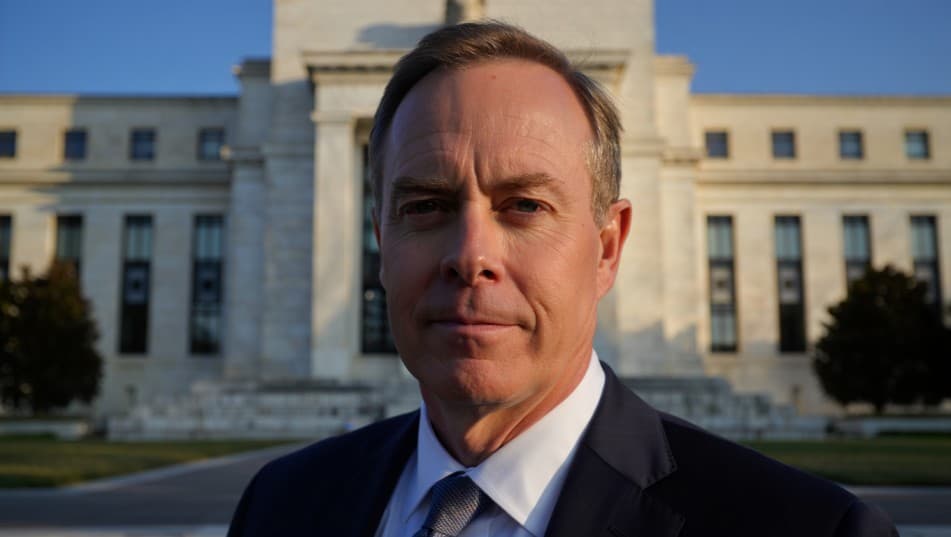
Kevin Warsh's first Federal Reserve press conference comes at a time of rising inflation and growing uncertainty over interest rates.
Executive Summary
Federal Reserve Chairman Kevin Warsh is preparing for his first major policy announcement amid a sharp rise in inflation, elevated energy prices, and growing market uncertainty. With consumer prices rising 4.2% year-over-year and geopolitical tensions disrupting energy supplies, expectations for interest rate cuts are fading. Investors are closely watching the Federal Reserve's updated forecasts and Warsh's communication strategy for clues about the future direction of monetary policy.
Key Takeaways
- ✓U.S. inflation has risen to 4.2%, its highest level since 2023.
- ✓Energy prices are a major contributor to current inflation pressures.
- ✓Markets are reassessing expectations for Federal Reserve rate cuts.
- ✓Kevin Warsh's first press conference is being closely watched by investors.
- ✓The future of the Fed's dot plot could become a major policy discussion.
- ✓Higher interest rates may strengthen the U.S. dollar and affect global markets.
- ✓India and other emerging markets remain sensitive to Federal Reserve decisions.
- ✓Geopolitical developments will continue influencing inflation and monetary policy.
Kevin Warsh Fed Meeting: Inflation Surge Challenges New Federal Reserve Chair
The first Kevin Warsh Fed Meeting has become one of the most closely watched events in global financial markets. Taking office during a period of elevated inflation, geopolitical instability, and shifting market expectations, Warsh faces a difficult balancing act as investors search for signals about the future of U.S. monetary policy.
Inflation has accelerated to 4.2% year-over-year, marking the highest level since 2023. At the same time, energy prices have surged following disruptions linked to the U.S. conflict with Iran, creating fresh concerns about the trajectory of inflation and economic growth.
Inflation Climbs to a Three-Year High
The latest consumer price data shows that the cost of living increased by 4.2% compared with a year earlier. The rise reflects mounting pressure from higher energy costs, transportation expenses, and broader supply-chain disruptions.
Unlike previous inflation episodes driven primarily by strong consumer demand, the current environment is largely being shaped by supply-side factors.
This distinction is important because supply shocks are often more difficult for central banks to address using traditional interest-rate tools.
Energy Prices Drive Inflation Higher
A major factor behind the inflation surge has been the sharp increase in energy prices.
Gasoline prices have risen by more than one dollar per gallon compared with levels seen before the U.S.-Iran conflict intensified. The disruption of tanker traffic through the Strait of Hormuz, one of the world's most important energy shipping routes, has amplified concerns about global oil supplies.
Higher fuel costs ripple through the economy by increasing transportation, manufacturing, and logistics expenses, ultimately raising prices for consumers and businesses alike.
Why the Federal Reserve Faces a Policy Dilemma
The Federal Reserve's primary tool for controlling inflation is adjusting interest rates. However, rate hikes are generally most effective when inflation is driven by excessive demand.
In the current environment, rising prices are being fueled by supply constraints and geopolitical disruptions.
Raising rates aggressively could slow economic activity without significantly reducing energy-driven inflation. Conversely, cutting rates too soon risks allowing inflation expectations to become entrenched.
This dilemma places significant pressure on Warsh and the Federal Open Market Committee (FOMC).
Rate Cut Expectations Are Being Reassessed
Earlier in the year, many policymakers expected at least one quarter-point interest rate cut before year-end.
However, recent inflation data has forced markets to reconsider those expectations.
Investors now increasingly believe that interest rates could remain elevated for longer than previously anticipated. Some market participants are even pricing in the possibility that rates may end the year above current expectations if inflation remains persistent.
The updated economic projections released by the Fed will therefore be scrutinized for any changes in policymakers' outlooks.
The Future of the Fed's Dot Plot
One of the most anticipated aspects of the meeting is the future of the Fed's so-called "dot plot," which displays policymakers' interest-rate projections.
Warsh has previously expressed skepticism about the usefulness of publishing detailed future rate expectations. He has argued that such forecasts can unnecessarily constrain policymakers and limit flexibility when economic conditions change.
A shift in how the Fed communicates future policy intentions could represent one of the most significant institutional changes under Warsh's leadership.
Communication Strategy Under Kevin Warsh
Former Federal Reserve Chairman Ben Bernanke famously argued that monetary policy is largely about communication.
Warsh, however, has often emphasized the risks associated with excessive forward guidance.
Financial markets will closely analyze his first press conference for clues regarding:
- Future interest rate policy.
- Inflation expectations.
- Economic growth forecasts.
- Energy market risks.
- The role of forward guidance.
His communication style may ultimately become as important as the policy decision itself.
Market Impact Across Asset Classes
The outcome of the meeting could have significant implications for global financial markets.
Equities
Higher-for-longer interest rates could create headwinds for growth stocks and interest-sensitive sectors. However, energy companies may benefit from elevated oil prices.
Bonds
Treasury yields could rise if investors anticipate tighter monetary policy or prolonged inflation pressures.
Currency Markets
A more hawkish Federal Reserve stance could strengthen the U.S. dollar against major global currencies.
Conversely, any indication of future rate cuts could weaken the dollar and support risk assets.
Implications for India and Emerging Markets
India and other emerging economies are paying close attention to developments at the Federal Reserve.
Changes in U.S. interest rates often influence:
- Foreign portfolio investment flows.
- Currency stability.
- Commodity prices.
- Borrowing costs.
- Economic growth prospects.
A stronger U.S. dollar resulting from higher interest rates can place pressure on emerging-market currencies and capital flows.
Indian equities, bonds, and the rupee could experience increased volatility depending on the Fed's policy direction and broader global risk sentiment.
White House and Fed Dynamics Remain in Focus
The relationship between the Federal Reserve and the White House remains another important consideration for investors.
As a newly appointed chair, Warsh will face scrutiny regarding the Fed's independence and its ability to make policy decisions free from political influence.
Maintaining credibility while responding to inflation risks and economic uncertainty will be a central challenge during his early tenure.
What Investors Should Watch Next
Several developments will shape market expectations in the coming months:
- Updated Federal Reserve economic forecasts.
- Changes in the dot plot projections.
- Inflation trends in future CPI reports.
- Energy price movements tied to geopolitical developments.
- Signals regarding future rate cuts or hikes.
- Global market reactions following Warsh's press conference.
The interaction between inflation, energy prices, and monetary policy will likely remain the dominant theme for investors throughout the remainder of the year.
Outlook
Kevin Warsh begins his tenure as Federal Reserve chairman at one of the most challenging moments for central bankers in recent years. Elevated inflation, geopolitical tensions, volatile energy markets, and shifting expectations for interest rates have created a complex policy environment.
Whether the Fed chooses to maintain current rates, signal future tightening, or preserve flexibility will have consequences far beyond the United States. Global markets, emerging economies, and investors worldwide will be watching closely as Warsh outlines his vision for navigating the next phase of the economic cycle.
Kavya
Senior Economics CorrespondentCredentials: LLB, CS (Company Secretary)
Kavya specializes in corporate governance, merger & acquisition deals, and legal-regulatory news in the Indian financial sector.
