
EU and UK Automakers Push for New Brexit EV Tariff Delay as Battery Targets Fall Short
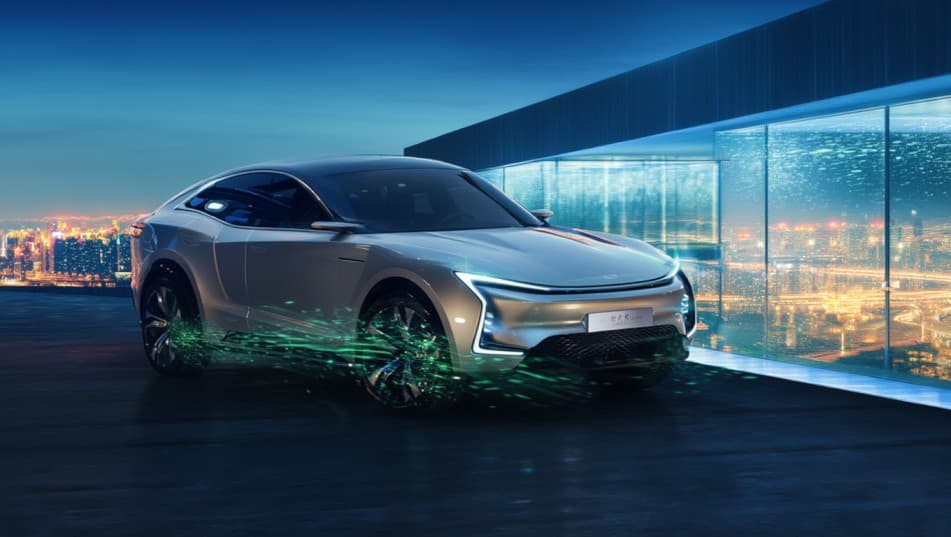
Automakers warn Europe remains behind battery production targets.
Executive Summary
European and UK automakers are lobbying for another delay to Brexit-related electric vehicle tariffs, arguing regional battery production remains far below levels required under trade rules due to supply chain disruptions, high costs, and growing competition from China.
Key Takeaways
- ✓Automakers want a second Brexit EV tariff delay.
- ✓Battery production targets remain unmet.
- ✓Tariffs could increase EV prices.
- ✓China remains a dominant battery supplier.
- ✓EU policymakers face a key industrial policy decision.
EU and UK Carmakers Seek Fresh Brexit EV Tariff Delay Amid Battery Production Challenges
European and British automakers are urging policymakers to postpone Brexit-related EV tariffs for a second time. Industry leaders argue battery production capacity remains too low to satisfy rules under the EU-UK Trade and Cooperation Agreement.
Why the Brexit EV Tariff Delay Matters
The trade agreement requires significant local content in electric vehicles and battery components to qualify for tariff-free trade beginning in 2027. Industry groups warn that battery production targets remain out of reach.
Battery Manufacturing Falls Behind Expectations
Manufacturers expected Europe to rapidly expand battery production after Brexit. However, COVID-19 disruptions, semiconductor shortages, inflation, geopolitical tensions, and strong Chinese competition have slowed progress.
Risks for Consumers and Automakers
Industry leaders say introducing tariffs in 2027 could increase EV prices, weaken demand, and reduce Europe's competitiveness in the global electric vehicle market.
China's Growing Influence
China continues to dominate battery supply chains through control of critical minerals, refining capacity, and battery cell manufacturing, making it difficult for European producers to compete on cost.
What Happens Next?
EU policymakers must decide whether to keep existing rules, modify them, or approve another delay. The outcome could significantly influence EV prices, battery investments, and Europe's industrial strategy.
Conclusion
The automotive industry argues that delaying tariffs would provide more time to develop domestic battery production while preserving EV affordability and competitiveness across Europe.
Aarav
Senior News CorrespondentCredentials: MBA (Finance), NISM Investment Advisor
Aarav is a veteran market analyst with 10+ years of experience covering financial derivatives, macro trends, and options trading.
