
US-Iran Peace Plan Unveiled: 14-Point Agreement Signals Major Shift in Middle East Stability
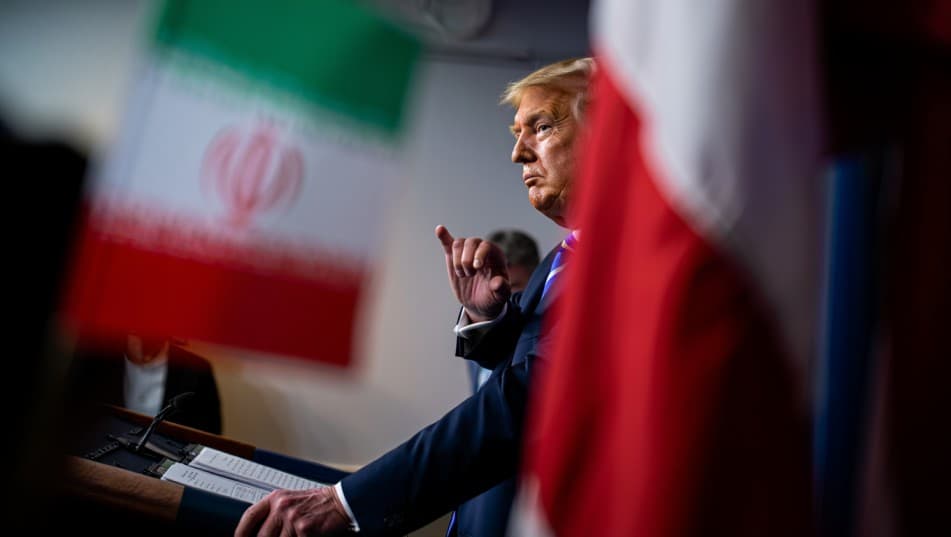
The US-Iran peace plan introduces a 14-point framework aimed at ending conflict and restoring regional stability.
Executive Summary
The United States and Iran have agreed to a landmark 14-point interim peace framework designed to end military hostilities, reopen the Strait of Hormuz, and establish a path toward long-term regional stability. The agreement, scheduled for formal signing in Switzerland, includes a 60-day ceasefire, nuclear commitments from Iran, and a proposed $300 billion reconstruction initiative backed by international partners.
Key Takeaways
- ✓The US and Iran have agreed to a 14-point interim peace framework.
- ✓Military operations will halt immediately for 60 days.
- ✓The Strait of Hormuz will reopen to commercial shipping.
- ✓Iran has reaffirmed its commitment not to develop nuclear weapons.
- ✓A reconstruction initiative worth at least $300 billion is planned.
- ✓The agreement could significantly impact global energy markets and international trade.
- ✓India may benefit through improved energy security and investment opportunities.
US-Iran Peace Plan Unveiled: 14-Point Agreement Signals Historic Diplomatic Breakthrough
The US-Iran peace plan could mark one of the most significant geopolitical developments in recent years. After months of negotiations, the United States and Iran have reportedly reached a comprehensive 14-point interim agreement aimed at ending military conflict, stabilizing the Middle East, and restoring critical global trade routes.
The framework, expected to be formally signed in Switzerland, addresses security concerns, economic recovery, maritime access, and nuclear non-proliferation. If implemented successfully, the agreement could reduce regional tensions while reshaping energy markets and international investment flows.
Key Highlights of the US-Iran Peace Plan
Among the most significant provisions is an immediate and permanent halt to military operations across all active fronts for a period of 60 days. The ceasefire extends beyond direct US-Iran engagements and includes military activity linked to the conflict in Lebanon.
The agreement also establishes mutual commitments to respect sovereignty, territorial integrity, and non-interference in domestic affairs.
Major Components of the Agreement
- Immediate 60-day cessation of military operations.
- Mutual recognition of sovereignty and territorial integrity.
- Gradual removal of the US naval blockade.
- Reopening of the Strait of Hormuz to commercial shipping.
- Iranian commitment not to develop nuclear weapons.
- International supervision of uranium down-blending activities.
- Development of a reconstruction package worth at least $300 billion.
- Framework for negotiations toward a permanent settlement.
Strait of Hormuz Reopens to Global Trade
One of the most economically significant aspects of the US-Iran peace plan is the reopening of the Strait of Hormuz.
The strategic waterway handles a substantial share of global energy exports and has been a major source of concern for oil markets during the conflict. Under the agreement, the United States will begin removing naval restrictions immediately, with complete removal targeted within 30 days.
Iran has agreed to ensure safe passage for commercial vessels through the strait without charging transit fees for at least 60 days.
The reopening is expected to improve global supply chains, reduce shipping risks, and ease pressure on energy prices.
Nuclear Commitments and International Oversight
A central pillar of the agreement focuses on nuclear non-proliferation.
Iran has reaffirmed its commitment not to procure, manufacture, or develop nuclear weapons. The agreement further requires the down-blending of highly enriched uranium under the supervision of the International Atomic Energy Agency (IAEA).
These measures are designed to rebuild international confidence and reduce concerns regarding nuclear escalation in the region.
$300 Billion Reconstruction Initiative
The economic dimension of the agreement is equally ambitious.
The United States and international partners have committed to developing a reconstruction and development strategy valued at a minimum of $300 billion. The initiative aims to support infrastructure modernization, economic recovery, industrial development, and long-term investment opportunities across Iran.
Analysts believe this component could become one of the largest reconstruction efforts undertaken in the Middle East in recent decades.
Impact on Global Energy Markets
Energy traders and investors are closely monitoring developments surrounding the agreement.
The reopening of the Strait of Hormuz is expected to increase the flow of crude oil and natural gas exports. Greater supply availability could ease market volatility and potentially place downward pressure on global energy prices.
Countries heavily dependent on imported energy may benefit from improved supply security and lower transportation costs.
What the Agreement Means for India
India could emerge as one of the notable beneficiaries of the deal.
As one of the world's largest energy importers, India has a strong interest in stable oil supplies and secure maritime trade routes. Reduced disruptions in the Strait of Hormuz may help lower import costs while improving energy security.
The reconstruction program could also create investment opportunities for Indian companies involved in infrastructure, engineering, construction, logistics, technology, and energy sectors.
Geopolitical Significance
The US-Iran peace plan extends beyond bilateral relations.
A successful implementation could reshape regional alliances, reduce military tensions, and establish a framework for broader diplomatic engagement throughout the Middle East.
International observers are watching whether the agreement can serve as a foundation for a more comprehensive settlement backed by a binding United Nations Security Council resolution.
What Happens Next?
The next major milestone is the formal signing ceremony scheduled in Switzerland.
Following ratification, implementation efforts are expected to begin immediately. Success will depend on both parties honoring commitments, maintaining the ceasefire, and advancing negotiations toward a permanent peace arrangement.
Global markets, governments, and multinational corporations will be closely monitoring compliance and progress in the weeks ahead.
Ayaan
International Affairs CorrespondentCredentials: Certified Financial Planner (CFP)
Ayaan specializes in personal finance, mutual fund research, and retirement planning. He holds a deep interest in wealth creation strategies.
