
UK Manufacturers Warn of Deindustrialisation as Energy Costs Threaten Factory Closures
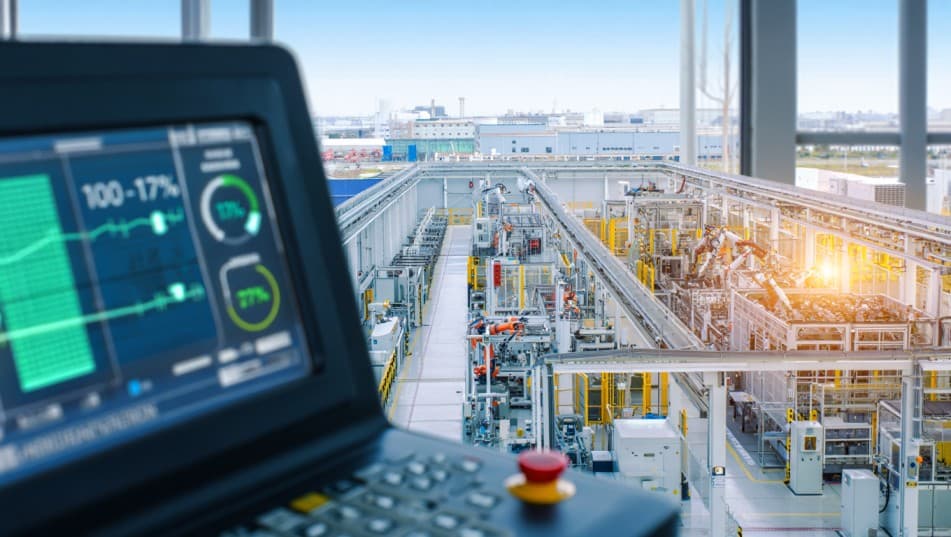
UK manufacturers warn that soaring energy prices are threatening competitiveness, jobs, and future investment.
Executive Summary
Britain's manufacturing sector is facing mounting pressure from some of the highest industrial energy costs in the developed world. Industry leaders warn that without government intervention, factory closures, overseas relocations, job losses, and insolvencies could accelerate, raising fears of long-term deindustrialisation across the UK economy.
Key Takeaways
- ✓25% of UK manufacturers have moved or plan to move production overseas.
- ✓10% of firms believe insolvency is likely within the next year.
- ✓98% expect profitability to face significant pressure.
- ✓Industrial energy costs remain among the highest in developed economies.
- ✓Manufacturers are calling for reforms to taxes, levies, and electricity pricing.
- ✓Thousands of manufacturing jobs could be at risk if conditions worsen.
- ✓Government policy decisions will be crucial for the sector's future.
UK Manufacturing Energy Crisis Deepens as Firms Warn of Deindustrialisation
Britain's industrial sector is facing one of its most serious challenges in decades as manufacturers struggle with soaring energy costs that are significantly higher than those faced by competitors in Europe and the United States. Industry leaders warn that without immediate government action, the country risks a wave of factory relocations, insolvencies, and job losses that could permanently weaken the UK's manufacturing base.
A new industry survey paints a concerning picture of the sector's outlook, with rising energy bills squeezing margins and forcing businesses to reconsider future investments.
Manufacturers Sound the Alarm
According to the latest survey conducted by Make UK, a significant portion of British manufacturers are now considering moving production overseas.
The findings reveal:
- 25% of manufacturers have moved or are planning to move production abroad.
- 10% believe insolvency is likely within the next 12 months.
- 46% have experienced additional increases in energy costs since tensions escalated in the Middle East.
- 98% expect profitability to come under significant pressure during the next quarter.
The figures highlight the growing strain facing industrial businesses across the country.
Why UK Energy Costs Are So High
One of the main reasons behind Britain's industrial energy challenge is its continued dependence on natural gas for electricity generation.
Current energy mix comparisons show:
- United Kingdom: Approximately 30% of electricity generated from gas.
- Germany: Around 16%.
- France: Roughly 3%.
This reliance makes UK electricity prices particularly vulnerable to fluctuations in global gas markets.
Industrial Competitiveness Under Pressure
Manufacturers argue that high energy prices are making it increasingly difficult to compete internationally.
Industrial electricity costs in Britain are reported to be:
- About twice the average level seen across continental Europe.
- Roughly four times higher than comparable costs in the United States.
The gap is forcing many businesses to evaluate whether future production should remain in the UK.
Investment Plans Being Delayed
The survey also indicates that rising costs are affecting long-term business planning.
Many manufacturers have already taken defensive measures to preserve profitability.
Reported actions include:
- 38% delaying investment projects.
- 21% reducing employee headcount.
- Cost-cutting initiatives across operations.
- Reassessing expansion plans.
Reduced investment could weaken productivity growth and innovation across the sector.
Threat to Manufacturing Jobs
The potential impact extends beyond businesses themselves.
Manufacturing remains a major source of skilled employment throughout the UK, supporting local economies and supply chains.
Industry groups warn that prolonged pressure on profitability could result in:
- Factory closures.
- Job losses.
- Reduced apprenticeship opportunities.
- Lower regional economic activity.
Thousands of well-paid industrial jobs could be affected if conditions continue to deteriorate.
Carbon Taxes and Energy Levies Add to Costs
Manufacturers argue that government-imposed charges are contributing significantly to industrial energy bills.
Industry estimates suggest approximately £3 billion of industrial energy costs are linked to:
- Carbon taxes.
- Environmental levies.
- Electricity grid upgrade costs.
Business groups are calling for these charges to be funded through general taxation rather than direct industrial energy bills.
Industry Calls for Government Action
Make UK and other industry organizations are urging policymakers to introduce relief measures aimed at restoring competitiveness.
Proposals include:
- Reducing industrial energy levies.
- Expanding support schemes for energy-intensive industries.
- Reforming electricity pricing mechanisms.
- Accelerating energy market reforms.
- Improving industrial competitiveness incentives.
Industry leaders argue that immediate action is necessary to prevent further decline.
British Industrial Competitiveness Scheme in Focus
Attention is increasingly turning toward the British Industrial Competitiveness Scheme (BICS).
Many manufacturers and labor groups believe the program should be expanded to provide broader support for factories facing elevated energy costs.
Supporters argue that stronger assistance could help preserve jobs and encourage continued investment in domestic production.
Implications for the UK Economy
Manufacturing remains a vital component of Britain's economy.
A prolonged contraction in the sector could affect:
- Economic growth.
- Export performance.
- Tax revenues.
- Employment levels.
- Regional development.
The broader consequences could extend well beyond industrial businesses themselves.
Impact on Global Trade and Supply Chains
The relocation of production facilities could alter global supply chains and trade patterns.
If more manufacturers shift operations overseas, Britain could become increasingly dependent on imports while losing high-value industrial capabilities.
This trend may also influence foreign investment decisions and long-term economic competitiveness.
India and Emerging Market Perspective
The UK's manufacturing challenges could have indirect implications for emerging economies such as India.
Potential effects include:
- Changes in trade flows.
- New opportunities for manufacturing investment.
- Shifts in global supply chains.
- Increased export opportunities.
Indian companies with operations in Britain may also monitor policy developments closely.
What Investors and Businesses Should Watch
Several developments will be critical over the coming months:
- Government review of electricity pricing reforms.
- Expansion of industrial support schemes.
- Future energy market policies.
- Manufacturing investment trends.
- Insolvency data within the sector.
- Industrial production figures.
The government's response will likely determine whether current challenges become a temporary setback or a longer-term structural problem.
Outlook
Britain's manufacturing sector faces a pivotal moment. Rising energy costs, shrinking margins, delayed investments, and growing insolvency risks have intensified fears of deindustrialisation. While policymakers have acknowledged the problem, manufacturers are demanding urgent and meaningful reforms.
The coming months will be crucial in determining whether Britain can restore industrial competitiveness and protect one of the country's most important economic sectors from further decline.
Krishna
Senior Economic Affairs CorrespondentCredentials: MBA in Finance, NISM Certified
Krishna is an experienced business journalist covering corporate earnings, debt markets, and regulatory changes in the banking sector.
