
Trump Administration in Talks to Take US Government Equity Stake in OpenAI and Other AI Giants
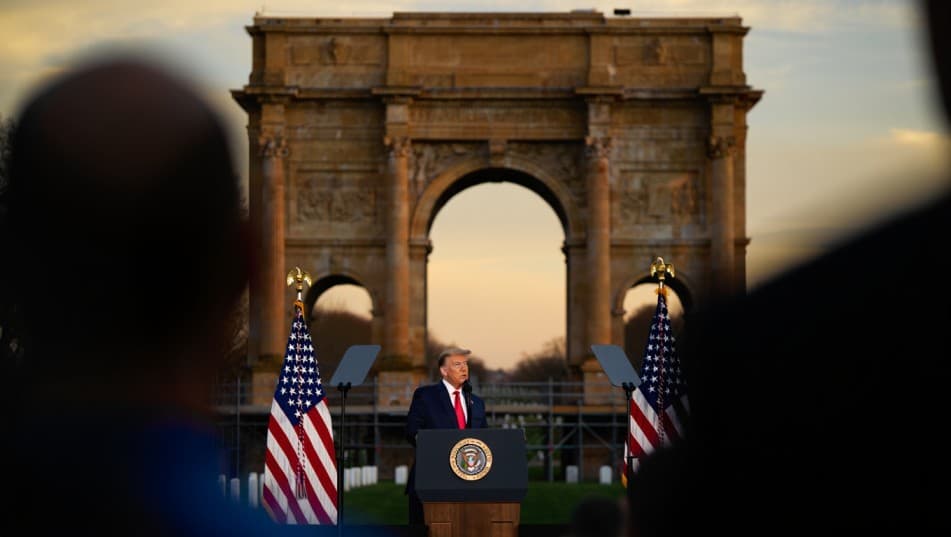
Trump discusses government equity stake in OpenAI as AI policy takes a dramatic turn
Executive Summary
President Trump confirmed on June 5, 2026 that the White House is in advanced discussions with OpenAI CEO Sam Altman about a potential U.S. government equity stake in the AI startup, under a framework where OpenAI would donate shares to seed a 'Public Wealth Fund' — allowing American citizens to share in AI growth.
Key Takeaways
- ✓President Trump confirmed talks to take a government equity stake in OpenAI, which is valued at over $850 billion.
- ✓Under the proposed framework, OpenAI would donate shares to seed a 'Public Wealth Fund', giving American taxpayers indirect ownership of AI growth.
- ✓The administration has already taken stakes in at least 10 companies — including Intel and IBM — in Trump's second term.
- ✓Anthropic is explicitly not part of these discussions, according to sources familiar with the matter.
- ✓Legal experts and opposition senators have questioned whether any existing mechanism exists to implement the arrangement.
Trump Eyes US Government Stake in OpenAI: 'The American Public Becomes a Partner'
In a development that could fundamentally reshape the relationship between Washington and Silicon Valley, President Donald Trump confirmed on June 5, 2026 — speaking to reporters aboard Air Force One — that the White House is actively discussing a U.S. government equity stake in OpenAI and potentially other leading artificial intelligence companies.
The Framework: A Public Wealth Fund
Under the structure being discussed, OpenAI would donate equity to the federal government to seed what the company calls a "Public Wealth Fund" — a concept first outlined in OpenAI's April 2026 policy proposal. The fund would invest in diversified, long-term assets and potentially distribute returns directly to American citizens, effectively making U.S. taxpayers indirect shareholders in the AI revolution.
President Trump summarised the concept: "There are concepts where pieces could be given to the American public, where the American public essentially becomes a partner."
Valuations and Scale
The financial stakes are significant. OpenAI is valued at over $850 billion by private investors following a record-breaking March 2026 funding round co-led by MGX (Abu Dhabi's sovereign wealth fund). A 5% government stake would cost approximately $42.5 billion if purchased at market value, though the donation structure would reduce the direct cost to the government. The company is reportedly preparing for its own IPO as soon as 2026.
The Trump administration has already taken direct equity stakes in at least 10 companies during the second term, including Intel, IBM, and several quantum computing and critical minerals firms.
OpenAI's Origins of the Pitch
The talks are not new: CEO Sam Altman first pitched the concept to the White House in 2025, and discussions progressed significantly over the following year. CNBC confirmed through a source familiar with the matter that Altman met with lawmakers and White House officials multiple times in Washington, D.C. in the days immediately preceding Trump's public confirmation.
Senator Bernie Sanders told CNBC he had discussed the sovereign wealth fund concept with Altman during a meeting on Wednesday, June 4.
Who Is Not Participating
Notably, Anthropic is not involved in these equity discussions, according to a source familiar with the matter — a significant distinction given that both OpenAI and Anthropic are preparing for public listings.
Political and Legal Controversy
The proposal has ignited political debate. Senator Mark Warner called the idea "fundamentally altering the relationship between Silicon Valley and Washington" and questioned the legal mechanisms required to transfer private company equity to the government. Senator Ron Wyden dismissed Trump's remarks as "a press release, not a serious policy."
Microsoft President Brad Smith raised governance questions: "If the United States government becomes a direct investor in AI companies, who makes the investment decisions? Who sits on the boards?"
Conclusion
The government-as-AI-shareholder concept reflects a broader ambition by the Trump administration to claim ownership of transformative technology sectors. Whether the framework is politically viable — and legally achievable — remains deeply uncertain. But the signal it sends about Washington's attitude toward AI is unmistakable: the U.S. government sees AI not just as a national security asset, but as a financial one.
Ishaan
Senior News CorrespondentCredentials: Chartered Financial Analyst (CFA)
Ishaan tracks small-cap companies, sectoral index movements, and momentum trading setups. He has a passion for active options trading.
