
Taiwan Trains Citizens in Drone Defence as Security Concerns Grow
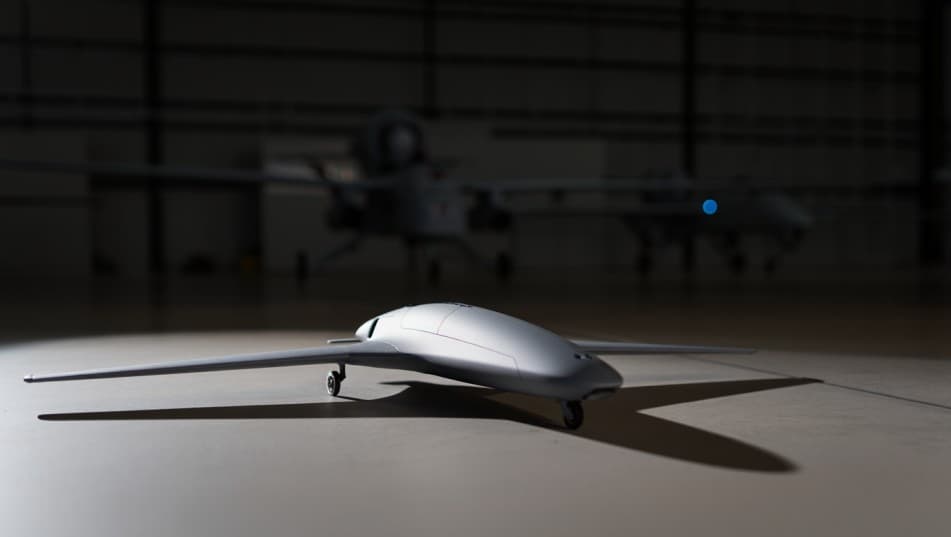
Taiwan's civil defence movement is increasingly incorporating drone training inspired by battlefield developments in Ukraine.
Executive Summary
Taiwan has launched its first large-scale civil defence drone training initiative, teaching civilians how to operate drones for surveillance, information gathering, and emergency support in the event of a military conflict. Inspired by the transformative role drones have played in Ukraine's defence against Russia, the programme reflects Taiwan's broader effort to strengthen societal resilience amid growing security concerns across the Taiwan Strait.
Key Takeaways
- ✓Taiwan has launched its first large-scale civil defence drone training initiative.
- ✓More than 39,000 drones are registered across Taiwan.
- ✓Around 75 citizens can be trained every month through current courses.
- ✓The programme is heavily inspired by battlefield lessons from Ukraine.
- ✓Taiwan's broader civil defence movement now includes more than 30 volunteer-led groups.
- ✓Drone literacy is becoming an important component of modern national resilience strategies.
Taiwan Trains Citizens in Drone Defence as Security Concerns Grow
Taiwan is taking an increasingly innovative approach to national resilience by training ordinary citizens to operate drones as part of its expanding civil defence strategy.
The new Taiwan civil defence drone training initiative reflects growing recognition that modern conflicts are no longer fought solely by professional militaries. Instead, civilian preparedness, technological literacy, and rapid information sharing are becoming critical components of national security.
The programme draws heavily from lessons learned during the Ukraine-Russia war, where drones have transformed battlefield intelligence, surveillance, reconnaissance, and targeting operations. Taiwanese policymakers, defence experts, and volunteer organizations believe similar capabilities could play an important role in strengthening the island's defensive posture.
Why Taiwan Is Investing in Civilian Drone Training
Concerns surrounding regional security have accelerated Taiwan's efforts to prepare society for potential emergencies.
While Taiwan continues modernizing its armed forces, civil defence organizations are increasingly focused on empowering citizens with practical skills that could prove valuable during crises.
Drone technology has emerged as a key component of this strategy because it enables:
- Real-time surveillance
- Situational awareness
- Emergency communication support
- Search and rescue coordination
- Infrastructure monitoring
- Rapid information sharing
The conflict in Ukraine demonstrated that relatively affordable commercial drones can provide significant operational advantages when used effectively.
Lessons from Ukraine's Drone Revolution
Military analysts widely regard the Ukraine-Russia conflict as the world's first large-scale drone-intensive war.
Drones have been used for:
- Battlefield reconnaissance
- Artillery spotting
- Damage assessment
- Target identification
- Intelligence gathering
- Psychological operations
According to military officials cited in international reporting, drones account for a substantial portion of battlefield casualties and operational effectiveness in Ukraine.
These developments have reshaped military thinking globally, prompting governments to reconsider how civilian drone operators might contribute to national resilience during emergencies.
Growing Public Interest in Drone Preparedness
Taiwan's drone training initiative has attracted significant public attention.
At Kuma Academy, one of the leading civil defence organizations involved in preparedness education, approximately 75 participants can be trained each month through dedicated drone piloting courses.
Demand has exceeded expectations, with available sessions reportedly sold out through August.
Participants come from diverse professional backgrounds, including office workers, educators, entrepreneurs, engineers, and retirees.
For many, the training is viewed as a practical life skill rather than purely a military activity.
The Rise of Taiwan's Civil Defence Movement
Drone training represents just one part of a much larger societal preparedness movement.
In recent years, Taiwan has witnessed rapid growth in volunteer-led civil defence organizations focused on:
- First aid training
- Emergency response planning
- Disaster preparedness
- Communications resilience
- Public safety education
More than 30 local volunteer groups are now actively involved in strengthening community preparedness across the island.
The movement reflects a broader effort to build societal resilience from the grassroots level upward.
Taiwan's Expanding Drone Ecosystem
Official figures indicate that Taiwan's drone ecosystem continues to grow rapidly.
According to Taiwan's Civil Aviation Administration, registered drones surpassed 39,000 as of December.
The government has also taken steps to encourage broader participation by lowering the minimum age for drone registration to 14 years old in 2024.
Supporters argue that increasing drone literacy among younger generations can help build a stronger foundation of technical skills and preparedness over the long term.
Expert Perspectives on Civilian Drone Training
Participants and trainers alike describe the programme as both practical and empowering.
Pan Chien-chin, a participant in the programme, noted that the Ukraine war fundamentally changed perceptions about drone technology and its potential applications.
For many trainees, learning drone operation represents an investment in personal capability that could become valuable in uncertain future scenarios.
Kuma Academy spokesperson Tang Tsung-yi has emphasized that the courses help beginner operators understand the real-world capabilities and limitations of drones in modern conflict environments.
Rather than promoting militarization, organizers frame the initiative as preparedness education focused on resilience and information awareness.
Economic and Defence Industry Implications
The growing emphasis on drones also carries significant economic implications.
Taiwan has sought to develop a competitive domestic drone manufacturing sector while reducing dependence on foreign supply chains.
Industry leaders have promoted the vision of building a diversified and secure global drone ecosystem that is less vulnerable to geopolitical disruptions.
However, recent budget debates have introduced uncertainty regarding future investment levels.
Funding allocated for domestic drone production was removed from portions of a recently approved special defence budget, raising questions about the pace of future industry expansion.
What This Means for Global Security Trends
Taiwan's approach reflects a broader international shift toward integrating civilian capabilities into national security planning.
Countries across Europe and Asia are increasingly examining how civilian expertise, technology, and volunteer networks can complement traditional military structures.
The concept of 'whole-of-society defence' has gained traction as governments seek ways to improve resilience against military, cyber, and hybrid threats.
Taiwan's drone initiative may therefore serve as a case study for other nations facing complex security challenges.
India Angle: Lessons for Emerging Security Strategies
The Taiwanese model may hold relevance for India and other countries navigating evolving security environments.
As drone technology becomes increasingly important for surveillance, border management, disaster response, and defence operations, civilian awareness and technical education could become valuable national assets.
India's expanding drone ecosystem, combined with its strategic security considerations, makes Taiwan's experience particularly noteworthy for policymakers, defence planners, and technology stakeholders.
What to Watch Next
Several developments will shape the future of Taiwan's civil defence drone training programme:
- Expansion of training capacity beyond current enrollment levels.
- Growth in civilian participation across different regions.
- Future government support for domestic drone manufacturing.
- Development of advanced drone education initiatives.
- Changes in Taiwan-US defence cooperation.
- Evolving security dynamics across the Taiwan Strait.
As modern warfare continues to evolve, Taiwan's investment in citizen preparedness could become one of the most closely watched civil defence experiments in the Asia-Pacific region.
Conclusion
Taiwan's civil defence drone training programme represents a significant shift in how nations think about preparedness, resilience, and civilian participation in national security.
Inspired by lessons from Ukraine and driven by growing regional tensions, the initiative aims to equip citizens with practical technological skills that could support emergency response and information gathering during crises.
With more than 39,000 registered drones, growing public interest, and an expanding network of volunteer organizations, Taiwan is positioning itself at the forefront of a new model of civil defence—one where technology and citizen engagement play increasingly important roles in national resilience.
Pari
Defence and Geopolitical CorrespondentCredentials: B.Sc. in Economics & Finance
Pari tracks currency fluctuations, trade policies, and commodity pricing, translating complex global data into clear market outlooks.
