
SpaceX Sets $135 IPO Price for Historic June 12 Nasdaq Debut at $1.77 Trillion Valuation — Largest IPO in History
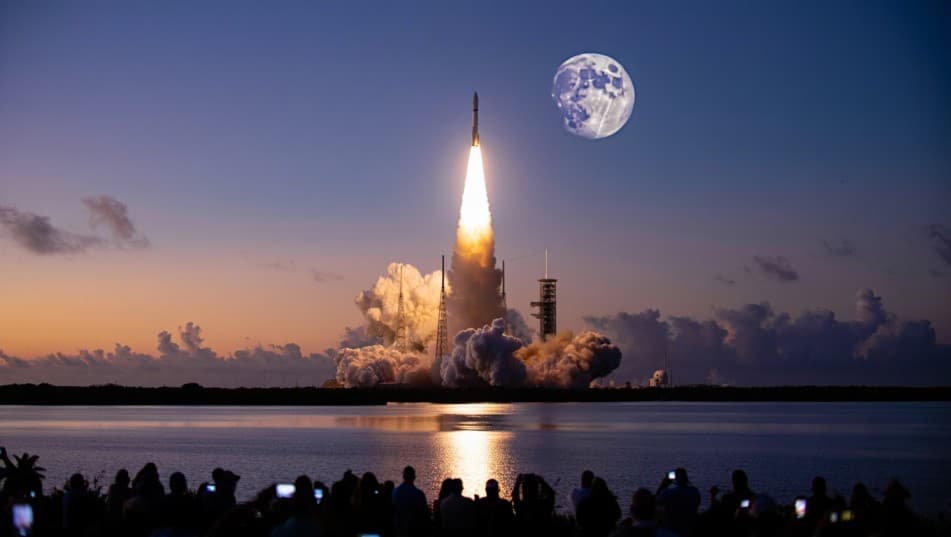
SpaceX targets the Nasdaq on June 12, 2026 — the largest IPO in stock market history
Executive Summary
SpaceX has fixed its IPO price at $135 per share ahead of a June 12, 2026 Nasdaq listing under the ticker SPCX. The company plans to sell 555.6 million shares, raising $75 billion at a valuation of approximately $1.77 trillion — a figure that would make it not only the largest IPO in history by a wide margin, but immediately one of the ten most valuable publicly traded companies on Earth.
Key Takeaways
- ✓SpaceX is set to list on the Nasdaq on June 12, 2026 at $135 per share under ticker SPCX, raising $75 billion at a $1.77 trillion valuation — the largest IPO in stock market history.
- ✓The company's Starlink satellite service with 9M+ subscribers is the primary growth driver, with analysts projecting Starlink revenues of $20 billion by 2027.
- ✓Elon Musk retains over 82% voting control through a dual-class share structure, meaning public shareholders have virtually no governance influence.
- ✓The IPO is the first in a wave: Anthropic filed its S-1 confidentially at a ~$900B valuation and OpenAI is preparing to file, potentially creating a $3.67 trillion combined IPO wave in a single summer.
- ✓International investors in Australia, Canada, and the UK can access SPCX through standard foreign equity brokerage platforms from the first trading day.
SpaceX IPO: Everything You Need to Know Before SPCX Hits the Nasdaq on June 12
Elon Musk's SpaceX has confirmed a fixed IPO price of $135 per share for its landmark Nasdaq debut scheduled for June 12, 2026, under the ticker symbol SPCX. The company filed the pricing details with the US Securities and Exchange Commission earlier this week, confirming plans to sell 555.6 million shares for a total raise of approximately $75 billion. With underwriters holding an option to purchase an additional 83.33 million shares at the IPO price — potentially adding another $11.2 billion — the deal could become even larger. At the fixed price, SpaceX's implied valuation stands at roughly $1.77 trillion, marginally above earlier estimates of $1.75 trillion.
The Numbers That Define This Deal
To appreciate the scale of what is about to happen in public markets, context is everything. Saudi Aramco's 2019 IPO — previously the largest on record — raised $29.4 billion at a valuation of approximately $1.7 trillion. SpaceX's offering raises more than two and a half times that amount in a single transaction. The combined total of the five next-largest IPOs in US history does not match what SpaceX is raising in this single offering. Goldman Sachs is the lead bank on the deal, followed by Morgan Stanley, Bank of America, Citigroup, and JPMorgan Chase.
The company generated revenues of between $15 billion and $16 billion in 2025, placing the IPO valuation at a lofty implied multiple of approximately 110 to 116 times trailing revenues. For comparison, even the most aggressively valued technology companies at the peak of the 2021 market rarely exceeded 50 to 60 times sales. SpaceX's premium reflects not just its current operations but the market's expectation that the company's Starlink satellite-internet business, its launch services dominance, and its xAI integration will compound at extraordinary rates for years to come.
The Starlink Engine Driving Valuation
Starlink is the crown jewel. With over nine million active subscribers globally as of mid-2026, the satellite-internet service has achieved scale that rivals or exceeds many traditional telecom companies — without the legacy infrastructure costs. Starlink's subscriber base has been growing rapidly across underserved rural markets in North America, Australia, and parts of Africa and Southeast Asia, while its maritime and aviation connectivity services have opened entirely new revenue streams. Analysts project Starlink revenue alone will reach $20 billion by 2027.
The service also benefits from a powerful competitive moat: SpaceX's own Falcon 9 and Falcon Heavy rockets launch Starlink satellites at a fraction of what competitors would pay for launch services. This cost structure advantage means Starlink can be profitable even at price points that would make a rival network economically unviable.
Musk Retains Overwhelming Voting Control
The deal features a dual-class share structure that will give Elon Musk voting control of more than 82% of the company following the IPO, despite selling a significant minority economic interest to public shareholders. This governance structure — similar to that used by Facebook (now Meta) at its 2012 IPO and by Alphabet — means that while hundreds of thousands of retail and institutional investors will own shares in SpaceX, they will have essentially no ability to influence corporate strategy, board composition, or major capital allocation decisions without Musk's consent.
For many institutional investors, particularly those subject to environmental, social, and governance mandates, this concentration of voting power in a single individual represents a meaningful risk. Any governance concern about Musk's management style, conflicts of interest with his other ventures including Tesla and xAI, or political activities will have no formal outlet through shareholder votes.
AI Dimension: SpaceX + xAI Merger
A critical element of the current SpaceX story that was not part of earlier IPO discussions is the company's integration with Musk's xAI. SpaceX and xAI formally merged earlier in 2026, meaning the public company that lists on June 12 will include not just rocket and satellite operations but also Musk's AI venture — which competes directly with OpenAI, Anthropic, and Google DeepMind. Google has already signed a $920 million monthly contract to use xAI's compute capacity at data centers, a revenue stream that alone represents a meaningful contribution to the combined entity's financials.
The Broader IPO Wave: Anthropic and OpenAI Are Next
SpaceX's listing is the opening shot of what is shaping up to be the largest technology IPO wave since the dot-com era. Anthropic — the AI safety company backed by Google and Amazon — confidentially filed its S-1 with the SEC on June 3, targeting a valuation of approximately $900 billion. OpenAI is preparing its own confidential filing for the coming weeks, with a target valuation of around $1 trillion. If all three listings proceed at these valuations, the combined market capitalization of new public tech offerings in a single summer would exceed $3.67 trillion — a figure without precedent in financial history.
Australian, Canadian, and UK Investor Access
For investors in Australia, Canada, and the UK, SPCX will be accessible through international brokerage platforms that offer access to US-listed securities. Australian investors using platforms such as Stake, Superhero, or major bank-linked brokerages will be able to purchase SPCX shares through their existing foreign equity access. Canadian retail investors through Questrade, RBC Direct Investing, or TD Direct can similarly access Nasdaq-listed US securities. UK investors through HL, AJ Bell, or Freetrade will find SPCX available as an ordinary foreign stock.
Risk Factors Worth Knowing
Despite the enormous excitement surrounding the listing, SpaceX carries meaningful risk factors that investors should understand before participating. The company has disclosed billions in operating losses in its S-1, reflecting the enormous capital costs of building and launching satellite constellations and developing the Starship heavy-lift vehicle. Government contracts — notably a $4.16 billion Space Force award announced in May — form a significant share of revenue, creating dependency on federal budget decisions. Elon Musk's personal governance concentration and his multiple other ventures create conflict-of-interest risks with no formal mitigation mechanism.
Kavya
Senior Markets CorrespondentCredentials: LLB, CS (Company Secretary)
Kavya specializes in corporate governance, merger & acquisition deals, and legal-regulatory news in the Indian financial sector.
