
South Korea Moves to Stabilize Won as Currency Hits Multi-Year Lows
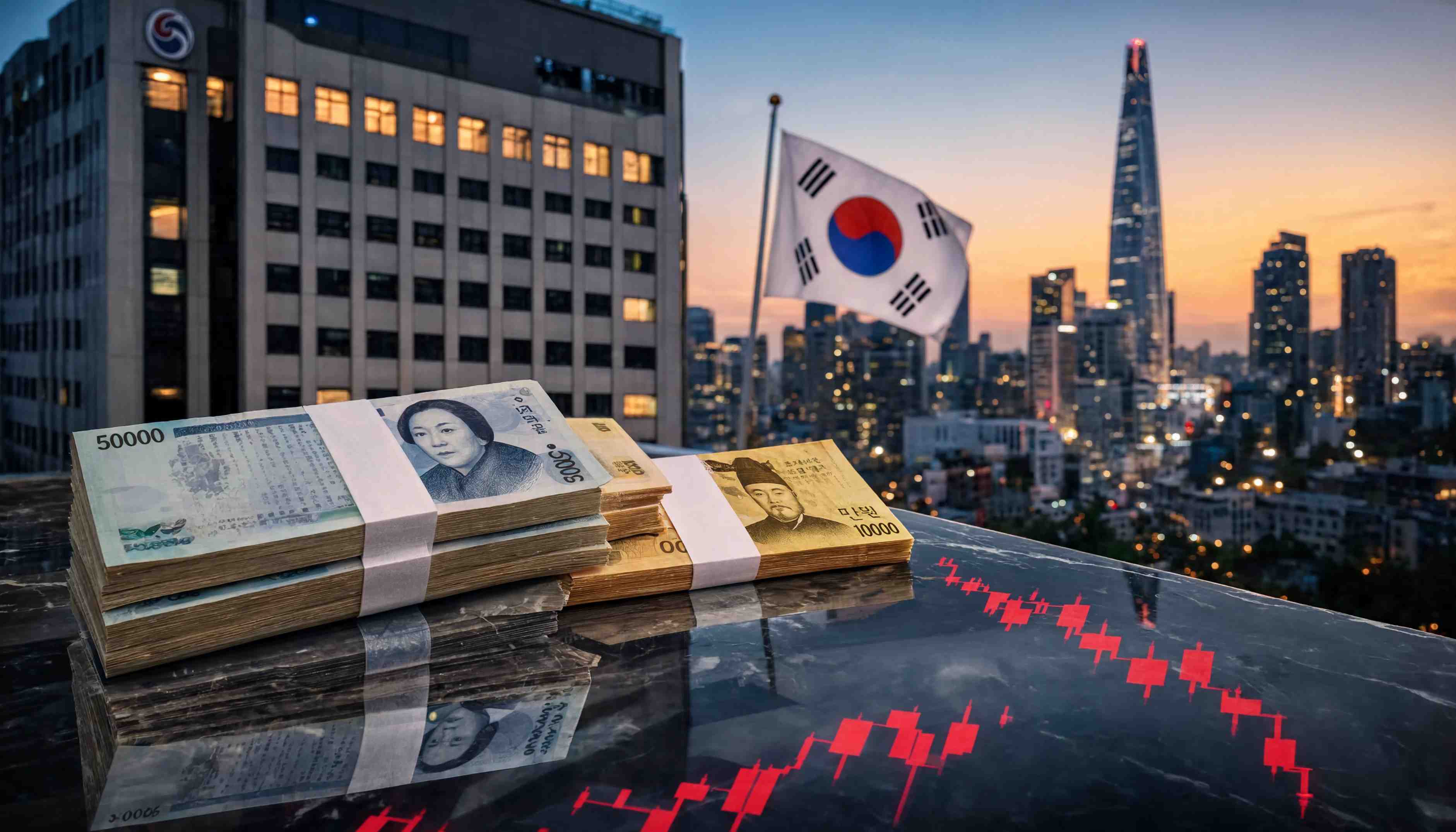
South Korean authorities unveiled measures aimed at reducing volatility in the foreign exchange market.
Executive Summary
South Korea has announced a series of targeted actions designed to stabilize the won after the currency weakened to levels not seen since the global financial crisis era. Authorities pledged stronger oversight of speculative trading activities and signaled their readiness to intervene when necessary to maintain orderly market conditions. Analysts say the measures reflect growing concerns about external economic pressures, capital flows, and investor sentiment affecting Asia's fourth-largest economy.
Key Takeaways
- ✓South Korea announced new measures to stabilize the won and reduce excessive market volatility.
- ✓Authorities are targeting speculative trading activities believed to be amplifying currency fluctuations.
- ✓The won recently reached its weakest level in more than a decade amid global economic uncertainty.
- ✓Currency stability remains crucial for South Korea's export-driven economy.
- ✓Future movements in the won will depend on both domestic economic conditions and global financial trends.
South Korea Moves to Stabilize Won as Currency Faces Growing Market Pressure
South Korea has introduced a new package of measures aimed at supporting its national currency after the won fell to its weakest level in more than a decade. The announcement comes as policymakers seek to restore confidence in financial markets and curb speculative activities that officials believe have intensified recent currency swings.
The latest South Korea won stabilization measures represent a coordinated effort by financial regulators and monetary authorities to maintain orderly trading conditions while protecting the broader economy from excessive exchange-rate volatility.
Why the Won Has Come Under Pressure
The South Korean won has faced significant downward pressure amid a combination of global and domestic factors. Higher interest rates in major economies, shifting investor sentiment, geopolitical uncertainties, and concerns about global economic growth have all contributed to stronger demand for safe-haven assets such as the U.S. dollar.
As investors move capital toward perceived lower-risk investments, emerging and export-oriented economies often experience currency weakness. South Korea, despite its advanced economy and strong industrial base, has not been immune to these global market trends.
Market observers note that the won's recent decline reflects both external macroeconomic conditions and heightened sensitivity among investors regarding future trade performance, inflation trends, and monetary policy decisions.
Government Response Targets Speculative Activity
Officials announced enhanced monitoring of foreign exchange transactions and reiterated their commitment to addressing abnormal market behavior. Authorities emphasized that excessive speculation can amplify currency volatility beyond what economic fundamentals justify.
The government's strategy focuses on:
- Strengthening surveillance of foreign exchange markets.
- Increasing oversight of large currency transactions.
- Responding more rapidly to unusual trading activity.
- Coordinating efforts among financial regulators.
- Maintaining sufficient market liquidity.
Authorities stated that they remain prepared to take additional actions if market conditions deteriorate further.
Understanding the Importance of Currency Stability
Currency stability plays a critical role in South Korea's economy, which relies heavily on international trade. Significant fluctuations in exchange rates can affect exporters, importers, investors, and consumers.
A weaker currency can provide advantages for exporters by making products more competitive abroad. However, rapid depreciation can also increase import costs, contribute to inflationary pressures, and reduce investor confidence.
For policymakers, the challenge lies in balancing market-driven exchange rates with measures designed to prevent disorderly movements that could disrupt economic activity.
Impact on Businesses and Consumers
The won's decline has implications across multiple sectors of the economy.
| Sector | Potential Impact |
|---|---|
| Exporters | Improved price competitiveness overseas |
| Importers | Higher costs for foreign goods and raw materials |
| Consumers | Increased prices for imported products |
| Investors | Greater market uncertainty and currency risk |
| Manufacturers | Rising costs for imported components |
Many South Korean companies depend on imported energy, raw materials, and technology components. A weaker currency can raise production expenses, potentially leading to higher prices throughout supply chains.
Role of the Bank of Korea
The Bank of Korea remains a central player in managing economic stability. While exchange rates generally fluctuate according to market forces, central banks can influence conditions through monetary policy decisions, communication strategies, and market interventions.
Analysts expect policymakers to closely monitor inflation, employment trends, capital flows, and global financial developments before determining whether additional measures are necessary.
The central bank's actions will likely focus on maintaining financial stability while supporting sustainable economic growth.
Global Factors Affecting the Won
Several international developments continue to shape currency markets worldwide:
- U.S. interest rate expectations.
- Global inflation trends.
- International trade conditions.
- Geopolitical tensions.
- Investor appetite for risk assets.
- Regional economic performance across Asia.
These factors can significantly influence capital movements and exchange-rate dynamics, often creating challenges for policymakers attempting to stabilize currencies.
Expert Analysis: What Comes Next?
Financial analysts believe the effectiveness of the South Korea won stabilization measures will depend largely on broader market conditions. Regulatory actions can help reduce speculative pressure in the short term, but sustained currency strength often requires supportive economic fundamentals.
Investors will be watching upcoming economic indicators, including inflation data, export performance, manufacturing activity, and central bank communications.
If global financial conditions improve and investor confidence strengthens, the won could recover some of its recent losses. However, continued uncertainty in international markets may keep currency volatility elevated.
Experts also note that South Korea enters this period with significant strengths, including a diversified export sector, advanced manufacturing capabilities, substantial foreign exchange reserves, and a sophisticated financial system.
Broader Implications for Asian Markets
South Korea's actions may serve as an important signal for other economies across Asia facing similar currency pressures. Many regional governments are monitoring exchange-rate movements closely as global capital flows continue to shift.
The measures underscore a broader trend among policymakers seeking to preserve financial stability while allowing markets to function efficiently.
Conclusion
South Korea's latest efforts to stabilize the won highlight growing concerns about currency volatility and speculative trading in an uncertain global economic environment. By strengthening oversight and reinforcing its commitment to orderly market operations, the government aims to restore confidence and limit excessive fluctuations.
While the long-term direction of the won will depend on both domestic economic performance and international financial conditions, the newly announced measures demonstrate that authorities are prepared to act proactively to safeguard stability. Investors, businesses, and consumers will continue monitoring developments as South Korea navigates a challenging global market landscape.
Ananya
Senior News CorrespondentCredentials: MA in Financial Journalism
Ananya is a financial correspondent specializing in retail investor psychology, option strategies, and sustainable investing trends.
