
Queensland Fights Disaster Funding Cuts as Recovery Costs Surge Across Australia
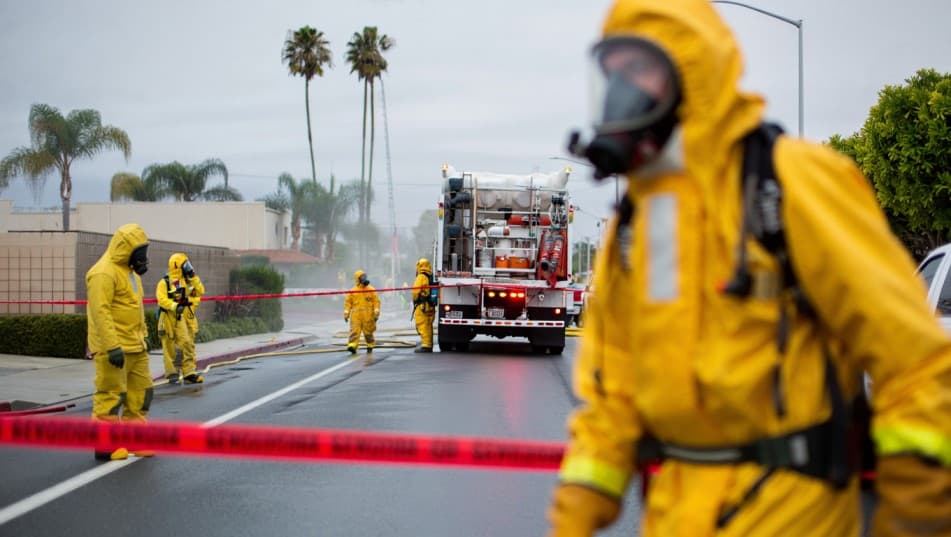
Queensland officials warn proposed funding changes could slow recovery efforts in disaster-affected communities.
Executive Summary
Queensland has launched strong opposition to proposed federal disaster recovery funding reforms that would require states to contribute a larger share of rebuilding costs following natural disasters. State leaders, local governments, and community advocates warn the changes could delay infrastructure repairs and place significant financial pressure on disaster-prone regions already struggling with increasingly frequent extreme weather events.
Key Takeaways
- ✓Queensland strongly opposes proposed federal disaster funding reforms.
- ✓The new model would require states to cover a larger share of recovery costs.
- ✓Local councils warn infrastructure repairs could face delays.
- ✓Climate-related disasters are increasing financial pressures nationwide.
- ✓The outcome could reshape Australia's disaster recovery system for years to come.
Queensland Fights Disaster Funding Cuts as Recovery Costs Surge Across Australia
Queensland's government is mounting a fierce campaign against proposed changes to Australia's disaster recovery funding model, arguing the reforms could leave vulnerable communities facing longer recovery times after floods, cyclones, bushfires, and severe storms.
The federal government's proposal would alter the long-standing funding arrangement for disaster recovery, moving to a 50-50 cost-sharing model between the Commonwealth and state governments. Currently, Queensland receives a larger federal contribution, reflecting its status as one of Australia's most disaster-prone regions.
The proposed shift has triggered concern among state officials, local councils, and infrastructure planners who fear communities may struggle to rebuild critical assets quickly following future disasters.
Why Queensland Is Fighting the Changes
Queensland experiences more natural disasters than almost any other Australian state. From tropical cyclones in the north to major flooding events in the southeast, local governments often face billions of dollars in infrastructure damage each year.
Under the existing framework, federal support helps repair:
- Roads and highways
- Bridges and transport networks
- Water infrastructure
- Community facilities
- Emergency response assets
- Public utilities
State leaders argue that reducing federal support would create funding gaps that many regional councils simply cannot afford to fill.
Rising Costs of Climate-Driven Disasters
The debate comes as Australia faces increasing economic losses from extreme weather events.
According to disaster risk experts, the frequency and intensity of floods, cyclones, and severe storms have increased over the past decade. These events place growing pressure on government budgets at all levels.
Queensland has experienced multiple major disaster events in recent years, including widespread flooding, cyclone damage, and prolonged severe weather systems that affected dozens of local government areas.
The financial burden of recovery has escalated dramatically.
| Recovery Area | Major Cost Drivers |
|---|---|
| Roads | Flood washouts and erosion |
| Bridges | Structural damage |
| Utilities | Power and water restoration |
| Public Buildings | Reconstruction costs |
| Emergency Services | Disaster response expenses |
Federal Government Says Reform Will Improve Efficiency
The Commonwealth government argues the proposed changes are designed to modernize disaster funding and reduce administrative complexity.
Federal officials maintain that a simplified framework will accelerate funding approvals and improve recovery timelines.
Supporters of the reform also argue that all states and territories face climate-related risks and that funding arrangements should be more consistent nationwide.
The federal government has emphasized the importance of disaster resilience, preparedness, and mitigation investments to reduce future recovery costs.
Local Councils Warn of Serious Consequences
Local governments across Queensland have expressed concern that the revised model could place additional pressure on already stretched municipal budgets.
Many regional councils operate with limited revenue bases while maintaining extensive road networks and public infrastructure across large geographic areas.
Council leaders warn that reduced recovery funding could force difficult decisions regarding:
- Which roads receive priority repairs
- Infrastructure upgrade delays
- Community facility restoration timelines
- Emergency preparedness investments
- Long-term resilience projects
In some areas, recovery projects could potentially take longer to complete if funding shortfalls emerge.
Economic Impact on Regional Communities
Beyond infrastructure repairs, disaster recovery funding plays a critical role in supporting local economies.
When roads, bridges, ports, and utilities remain damaged, businesses face disruptions that can affect employment, tourism, agriculture, and regional trade.
Queensland's economy relies heavily on sectors that are particularly vulnerable to natural disasters, including:
- Agriculture
- Mining
- Tourism
- Transport and logistics
- Regional services
Delays in infrastructure restoration can create ripple effects throughout local economies, reducing productivity and slowing economic recovery.
Climate Change Intensifies the Funding Debate
The funding dispute also highlights broader questions about how governments should prepare for increasingly expensive climate-related disasters.
Experts estimate that Australia's annual disaster costs could rise significantly over coming decades if adaptation and resilience investments fail to keep pace with changing environmental conditions.
Many policy analysts argue that preventive spending on flood mitigation, resilient infrastructure, and emergency preparedness may ultimately reduce long-term recovery expenses.
The challenge for policymakers is balancing immediate recovery needs with future resilience investments.
What Happens Next?
Queensland's government has signaled it will continue lobbying against the proposed changes while seeking negotiations with federal officials.
Industry groups, local governments, and community organizations are expected to play an active role in upcoming discussions as policymakers debate how disaster recovery funding should be distributed.
The outcome could have significant implications not only for Queensland but also for other states that increasingly face severe weather events and rising infrastructure repair costs.
Conclusion
The battle over Queensland Disaster Recovery Funding reflects a larger national debate about how Australia should finance disaster recovery in an era of escalating climate risks.
While the federal government argues that reform will improve efficiency and create a more balanced funding framework, Queensland leaders warn that communities may ultimately bear the cost through delayed rebuilding projects and strained local budgets.
As extreme weather events become more frequent and expensive, the decisions made today could shape Australia's disaster resilience strategy for decades to come.
Ayaan
Senior News CorrespondentCredentials: Certified Financial Planner (CFP)
Ayaan specializes in personal finance, mutual fund research, and retirement planning. He holds a deep interest in wealth creation strategies.
