
Oil Prices Tumble as Trump Announces Iran Peace Deal Framework, Easing Global Supply Concerns
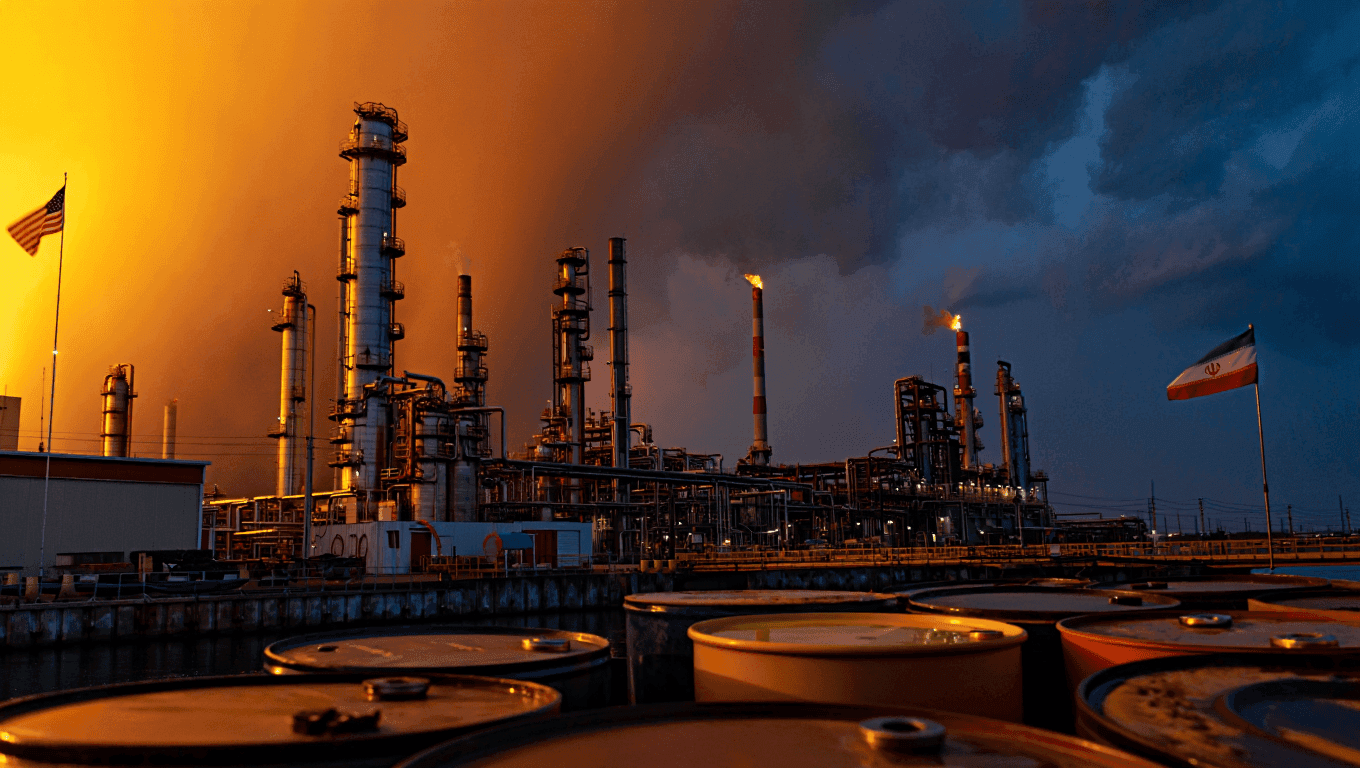
Crude oil prices fell sharply after reports of a framework agreement aimed at ending the Iran conflict.
Executive Summary
Global oil prices dropped sharply after President Donald Trump announced that a peace agreement with Iran would be signed, raising hopes of a reopening of the Strait of Hormuz and a gradual normalization of energy supplies. The decline in crude prices could ease inflation pressures and provide relief for major oil-importing economies worldwide.
Key Takeaways
- ✓Crude oil futures fell approximately 4% following peace deal announcements.
- ✓Brent crude dropped to around $83 per barrel while WTI fell near $80.
- ✓Oil prices are down roughly 12% from recent highs.
- ✓The Strait of Hormuz remains critical to global energy markets.
- ✓Lower oil prices could ease inflation pressures globally.
- ✓India stands to benefit from reduced oil import costs.
- ✓Markets remain focused on implementation of the proposed peace agreement.
Oil Prices Tumble as Trump Announces Iran Peace Deal Framework, Easing Global Supply Concerns
Global oil prices recorded a sharp decline after President Donald Trump announced that a deal to end the conflict with Iran would be formally signed later this week. The announcement triggered an immediate reaction across commodity markets, with crude oil futures falling approximately 4% as trading resumed.
The development marks a significant shift in market sentiment following months of uncertainty that had driven energy prices to multi-year highs. Investors are now increasingly betting that global oil supplies could begin stabilizing if the agreement leads to a reopening of critical shipping routes and a reduction in geopolitical tensions.
Crude Oil Prices Fall From Wartime Highs
The decline in oil prices has been substantial.
Brent crude is currently trading around $83 per barrel, while West Texas Intermediate (WTI) has fallen to approximately $80 per barrel.
These levels represent a decline of roughly 12% from the peak reached earlier in the conflict.
Recent Oil Market Performance
Key market developments include:
- Crude futures dropped about 4% after trading resumed.
- Brent crude declined to around $83 per barrel.
- WTI crude fell to approximately $80 per barrel.
- Oil prices are now below levels seen during the height of the conflict.
- Market volatility has eased following peace deal expectations.
The sharp correction reflects growing confidence that supply disruptions may gradually ease.
Why the Strait of Hormuz Matters
The Strait of Hormuz remains one of the most strategically important energy corridors in the world.
Before the conflict, approximately 20% of global oil and liquefied natural gas shipments passed through the narrow waterway.
Importance to Global Energy Markets
The strait serves as a critical route for:
- Middle Eastern crude exports
- Global LNG shipments
- Energy supplies to Asia
- European fuel imports
- International trade flows
Disruptions to this route contributed to one of the largest oil supply shocks in modern history, pushing prices sharply higher and creating inflationary pressures worldwide.
Peace Deal Sparks Optimism Across Markets
The announcement of a framework agreement has improved investor sentiment across multiple asset classes.
Market participants believe that a successful agreement could restore confidence and gradually normalize energy exports from the region.
Potential Benefits of a Peace Agreement
If implemented successfully, the agreement could:
- Reopen critical shipping routes.
- Increase oil supply availability.
- Reduce transportation costs.
- Lower inflationary pressures.
- Improve global economic confidence.
However, analysts caution that a full recovery in energy flows may take time.
Why Oil Prices May Not Return to Pre-War Levels Immediately
Despite the sharp drop in crude prices, experts warn that energy markets may remain constrained in the near term.
Several oil fields, storage facilities, export terminals, and refinery operations were disrupted during the conflict.
Challenges Facing Energy Producers
Recovery efforts may include:
- Restarting production facilities.
- Repairing damaged infrastructure.
- Rebuilding inventories.
- Restoring shipping schedules.
- Securing insurance and logistics support.
These factors could delay a complete normalization of global supply chains.
Impact on Global Inflation
One of the most important economic implications of lower oil prices is the potential reduction in inflationary pressures.
Higher energy prices have been a major driver of inflation across both developed and emerging economies.
How Lower Oil Prices Affect Consumers
A sustained decline in energy costs may contribute to:
- Lower fuel prices.
- Reduced transportation costs.
- Cheaper manufacturing inputs.
- Improved household purchasing power.
- Greater consumer confidence.
Central banks around the world will closely monitor energy markets as they assess future monetary policy decisions.
Financial Markets Respond Positively
Investors broadly welcomed the decline in oil prices.
Lower energy costs are generally viewed as supportive for economic growth because businesses face lower operating expenses while consumers spend less on fuel and transportation.
Sectors Likely to Benefit
Potential beneficiaries include:
- Airlines
- Logistics companies
- Manufacturing firms
- Retail businesses
- Consumer discretionary sectors
Conversely, energy producers may experience pressure on revenue growth if prices continue to decline.
Why This Matters for India
India is among the world's largest crude oil importers and remains highly sensitive to fluctuations in global energy prices.
Potential Benefits for the Indian Economy
Lower oil prices could help India by:
- Reducing the import bill.
- Improving the trade balance.
- Lowering inflation risks.
- Supporting economic growth.
- Easing pressure on public finances.
Cheaper crude may also provide greater flexibility for policymakers as they manage inflation and growth objectives.
Emerging Markets Could See Relief
Many emerging economies depend heavily on imported energy.
Countries across Asia, Africa, and Latin America may benefit from reduced fuel costs and improved economic stability if energy prices continue to moderate.
Lower commodity-driven inflation could also support investment flows into emerging markets.
Key Risks Investors Should Monitor
While markets have reacted positively, uncertainty remains.
Several factors could influence future oil prices:
- Successful implementation of the agreement.
- Reopening of the Strait of Hormuz.
- Speed of production recovery.
- Geopolitical developments.
- OPEC production decisions.
Any setbacks in the peace process could quickly alter market expectations.
What Happens Next?
Investors, governments, and businesses will closely watch the expected signing of the agreement and any subsequent announcements regarding shipping operations and energy exports.
Key indicators to monitor include:
- Oil production levels.
- Export volumes.
- Inventory rebuilding efforts.
- Global demand trends.
- Shipping traffic through Hormuz.
These metrics will provide important signals about whether the recent decline in oil prices can be sustained.
Outlook
The sharp drop in oil prices reflects growing optimism that one of the most significant geopolitical disruptions affecting global energy markets may be moving toward resolution.
While substantial challenges remain before global supply chains fully normalize, the prospect of increased energy flows and reduced geopolitical tensions offers hope for lower inflation, improved economic stability, and stronger global growth prospects.
For oil-importing nations such as India, the latest developments could provide meaningful economic relief if the peace process proceeds as expected and energy markets continue stabilizing.
Diya
Senior Energy Markets CorrespondentCredentials: Certified Technical Analyst (CMT)
Diya is an expert in technical analysis, chart patterns, and short-term trading strategies. She has trained hundreds of options traders.
