
Hardeep Singh Puri says India has over 60 days of crude, gas stocks; rules out any energy supply crunch
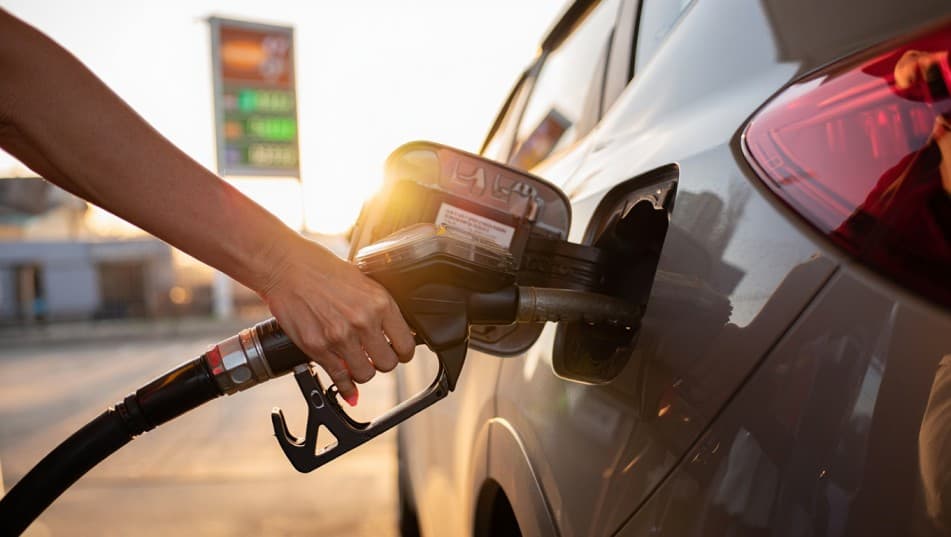
The minister said India has sufficient stocks of crude oil, natural gas and LPG to meet domestic demand.
Executive Summary
Union Petroleum and Natural Gas Minister Hardeep Singh Puri said India has more than 60 days of crude oil and natural gas stocks and 75-80 days of LPG reserves, assuring that the country faces no energy supply shortage despite rising geopolitical tensions following the Iran conflict. He also highlighted increased domestic LPG production and India's ability to shield consumers from sharp increases in global oil prices.
Key Takeaways
- ✓India has more than 60 days of crude oil and natural gas reserves.
- ✓LPG inventories are sufficient for 75-80 days.
- ✓Domestic LPG production has increased from 32,000 to 54,000 metric tonnes per day.
- ✓Global oil prices have risen due to tensions involving Iran.
- ✓India has managed to maintain relative stability in domestic fuel prices.
- ✓Diversified sourcing and strategic reserves are strengthening India's energy security.
- ✓The government continues to prioritize long-term energy resilience.
Hardeep Singh Puri says India has over 60 days of crude, gas stocks; rules out any energy supply crunch
Union Petroleum and Natural Gas Minister Hardeep Singh Puri on Saturday said India possesses sufficient energy reserves and is well positioned to meet domestic demand despite concerns over global supply disruptions arising from tensions involving Iran.
Speaking to reporters in Ludhiana, the minister dismissed fears of shortages and emphasized that the country's supplies of crude oil, natural gas and liquefied petroleum gas (LPG) remain comfortable.
Responding to questions about fuel availability, Puri said India currently has more than 60 days of crude oil stocks and more than 60 days of natural gas reserves.
"We have a stock of crude oil for over 60 days, we have natural gas stock for over 60 days," the minister said.
His remarks came amid heightened concerns in international energy markets following escalating geopolitical tensions in the Middle East, a region that accounts for a substantial share of global oil production and supplies to major importing nations, including India.
LPG stocks remain comfortable
Puri said the situation regarding LPG supplies was equally reassuring. According to the minister, India currently has enough LPG reserves to last between 75 and 80 days, representing one of the highest stock levels maintained by the country.
"We have a maximum stock of LPG which is 75-80 days of stock," he said.
The minister highlighted the government's efforts to strengthen domestic production and reduce dependence on imports. He explained that daily LPG consumption in the country stands at approximately 80,000 metric tonnes.
Domestic production, which previously stood at around 32,000 metric tonnes per day, has increased significantly to nearly 54,000 metric tonnes per day.
The rise in local output has helped narrow the gap between demand and imports, enhancing India's energy security and reducing vulnerability to disruptions in international markets.
Industry analysts have noted that increasing domestic production has become a key component of India's long-term strategy aimed at ensuring reliable fuel supplies while minimizing exposure to external shocks.
Impact of Iran tensions on oil prices
Global crude oil prices have experienced upward pressure following the conflict involving Iran, raising concerns over possible disruptions to shipping routes and supplies from the Middle East.
However, Puri said India has managed to maintain stability in domestic fuel markets despite fluctuations in international prices.
India imports more than 80 percent of its crude oil requirements, making the country sensitive to movements in global energy markets. Nevertheless, diversified sourcing and strategic stockpiles have helped authorities manage supply risks.
Government officials have repeatedly stated that India procures crude oil from a broad range of suppliers across different regions, enabling flexibility in the event of disruptions affecting any particular source.
Energy experts believe that adequate inventories and diversified procurement strategies provide a buffer against temporary supply shocks and help ensure uninterrupted availability of petroleum products.
Comparison with fuel prices in other countries
The minister also presented data comparing fuel price movements across several countries between May 2022 and May 2026.
According to the figures shared by Puri, petrol prices increased by around 70 percent in Pakistan during the period, while Sri Lanka witnessed a rise of 66 percent.
In Europe, petrol prices rose by 47 percent in France and 46 percent in Italy. Bangladesh recorded an increase of 36 percent, while fuel prices in the United States climbed by approximately 35 percent.
The comparison was cited to underline India's efforts to shield consumers from sharp increases in international oil prices through a combination of policy interventions and supply management measures.
India has periodically adjusted taxes and coordinated with state-run oil marketing companies to maintain relative price stability despite volatility in the global energy market.
Energy security remains a key priority
Ensuring energy security remains one of the central priorities for the Indian government as the country's economy continues to expand and fuel demand rises.
India is among the world's fastest-growing energy consumers and has been investing in strategic petroleum reserves, expanding refining capacity and diversifying import sources.
Alongside conventional fuels, the government has also accelerated initiatives in biofuels, green hydrogen and renewable energy to reduce dependence on imported fossil fuels over the long term.
Officials have repeatedly stressed that maintaining adequate inventories of crude oil, natural gas and LPG is essential to protecting the economy from external shocks and ensuring uninterrupted supplies to households, industries and transportation networks.
Puri's remarks are expected to reassure markets and consumers amid heightened uncertainty in global energy markets and concerns surrounding geopolitical developments in the Middle East.
Meera
Business CorrespondentCredentials: MBA in Finance, NISM Certified Specialist
Meera is a Senior Financial Journalist with 7+ years of experience covering Indian IPOs, insurance markets, corporate governance, and retail investing trends.
