
François Bozizé Faces Crimes Against Humanity Trial in Landmark Central African Republic Case
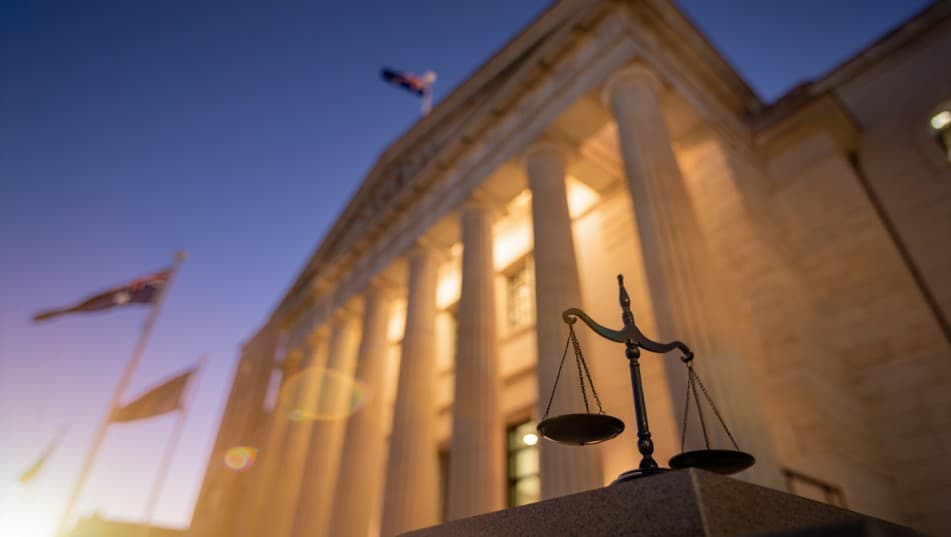
The Special Criminal Court has opened proceedings against former Central African Republic president François Bozizé over alleged crimes against humanity.
Executive Summary
The trial of former Central African Republic president François Bozizé has begun before the UN-backed Special Criminal Court. Prosecutors accuse Bozizé of responsibility for crimes against humanity allegedly committed by security forces between 2009 and 2013. The proceedings represent one of the most significant accountability efforts in the country's modern history.
Key Takeaways
- ✓Former president François Bozizé is on trial for alleged crimes against humanity.
- ✓The proceedings are being conducted in absentia while he remains in exile.
- ✓The Special Criminal Court combines domestic and international judicial expertise.
- ✓An international arrest warrant remains active against Bozizé.
- ✓The case focuses on alleged crimes committed between 2009 and 2013.
- ✓Three former military officers are also facing related proceedings.
- ✓The trial could strengthen accountability efforts in the Central African Republic.
- ✓The outcome may influence international justice and transitional governance discussions.
François Bozizé Trial Begins in Landmark Push for Accountability in Central African Republic
The François Bozizé trial has officially begun before the Special Criminal Court (SCC), marking a historic moment in the Central African Republic's long struggle for justice and accountability. The former president, now 79 years old and living in exile, faces charges of crimes against humanity related to actions allegedly committed by state security forces during his administration between 2009 and 2013.
The proceedings are being conducted in absentia after Bozizé failed to appear before the court. Prosecutors allege that he bears command responsibility for widespread abuses carried out under his authority, including murder, enforced disappearances, torture, and sexual violence.
For many observers, the case represents a major test of international justice mechanisms operating in fragile states and could become one of the most consequential legal proceedings in the country's post-independence history.
Why the Trial Matters
The trial is significant because it seeks to address years of impunity surrounding atrocities committed during one of the most turbulent periods in the Central African Republic's history.
The country has experienced:
- Multiple coups and rebellions.
- Prolonged civil conflicts.
- Widespread human rights violations.
- Weak state institutions.
- Recurring political instability.
Victims' groups and human rights organizations have long called for accountability, arguing that justice is essential for lasting peace and national reconciliation.
The Bozizé case is viewed as a critical step toward demonstrating that even former heads of state can be held accountable for serious international crimes.
Charges Against François Bozizé
Prosecutors accuse Bozizé of bearing responsibility for crimes committed by security forces operating under his command.
The charges include:
Murder
Security personnel are alleged to have carried out unlawful killings during military operations and political crackdowns.
Enforced Disappearances
Authorities allegedly detained individuals whose whereabouts were never disclosed to family members.
Torture
Victims reportedly suffered severe physical and psychological abuse while in detention.
Rape and Sexual Violence
Investigators allege that sexual violence was used against civilians during security operations.
The court maintains that sufficient evidence exists to establish potential criminal liability under the principle of command responsibility.
Trial Held in Absentia
One of the most notable aspects of the proceedings is that the former president is being tried in absentia.
Bozizé has been living in Guinea-Bissau since March 2023 and has not returned to face the charges.
The court proceeded after determining that:
- Legal requirements for notification were satisfied.
- International arrest mechanisms remain active.
- The case is of significant public interest.
- Delaying proceedings would hinder justice efforts.
Trials in absentia remain controversial in international law, but supporters argue they can help prevent accused individuals from evading accountability simply by remaining outside the court's jurisdiction.
Special Criminal Court: A Unique Justice Mechanism
The Special Criminal Court occupies a unique position within the global justice system.
Created with support from the United Nations, the court combines:
- Central African judges.
- International judges.
- Domestic law.
- International criminal law.
This hybrid structure was designed to strengthen local judicial capacity while ensuring international standards are maintained.
The court's mandate focuses on investigating and prosecuting serious violations of human rights and humanitarian law committed during the country's conflicts.
International Arrest Warrant Remains Active
In February 2024, the Special Criminal Court issued an international arrest warrant against Bozizé.
The warrant cited what prosecutors described as:
- Serious evidence.
- Consistent witness testimony.
- Documented allegations.
- Potential command responsibility.
The warrant remains in force and could result in arrest if Bozizé travels to a country willing to cooperate with the court.
Other Military Officials Also Under Investigation
The proceedings extend beyond the former president.
Three former senior military officers remain in pre-trial detention:
- Eugene Barret Ngaikosset.
- Vianney Semndiro.
- Firmin Junior Danboy.
Prosecutors allege these officials played significant roles in implementing policies and operations connected to the alleged crimes.
Their cases could provide additional evidence regarding command structures and decision-making processes during the period under investigation.
Historical Background of the Conflict
Understanding the trial requires examining the broader history of the Central African Republic.
Since gaining independence from France in 1960, the country has faced repeated cycles of instability.
Key challenges have included:
Political Coups
Several governments have been overthrown through military intervention.
Armed Rebellions
Multiple insurgent groups have challenged state authority.
Ethnic and Religious Tensions
Community divisions have contributed to recurring violence.
Weak Governance
Limited institutional capacity has often undermined accountability and public services.
These factors have created conditions in which widespread human rights abuses have repeatedly occurred.
The Legacy of François Bozizé's Rule
François Bozizé came to power after a military coup in 2003.
His administration initially promised stability but later faced growing criticism over governance, corruption, and security policies.
During his presidency:
- Rebel movements expanded.
- Internal conflicts intensified.
- Human rights concerns increased.
- International scrutiny grew.
The period between 2009 and 2013 became particularly controversial due to allegations of abuses by security forces and armed groups.
Previous Convictions and Legal Challenges
This is not the first time Bozizé has faced legal action.
In September 2022, he was sentenced in absentia to forced labor for life in connection with charges including:
- Conspiracy.
- Rebellion.
- Murder.
The current trial focuses specifically on alleged crimes against humanity and therefore carries broader implications under international criminal law.
Defense Rejects Allegations
Supporters of the former president have consistently denied wrongdoing.
Defense representatives argue that:
- Bozizé did not directly order crimes.
- Evidence is politically motivated.
- Responsibility cannot automatically be assigned through leadership position alone.
- The proceedings may contain procedural flaws.
These arguments are expected to form a central part of the legal debate as the trial progresses.
Impact on the Central African Republic
The trial could have significant domestic consequences.
Potential outcomes include:
Strengthening Rule of Law
A successful prosecution could reinforce confidence in judicial institutions.
Supporting Reconciliation
Victims and affected communities may gain recognition and acknowledgment.
Political Repercussions
The case may influence current political dynamics and public discourse.
Security Implications
Accountability efforts could affect relationships between political actors and former armed groups.
The government's response to the proceedings will be closely monitored both domestically and internationally.
International Significance of the Trial
Beyond the Central African Republic, the case has broader implications for international justice.
The proceedings contribute to global efforts aimed at:
- Combating impunity.
- Enforcing human rights standards.
- Strengthening accountability mechanisms.
- Supporting transitional justice processes.
International organizations view the case as a test of whether hybrid courts can effectively prosecute complex crimes in conflict-affected environments.
Economic and Investment Considerations
Although primarily a legal and political event, the trial may also influence investor perceptions.
Foreign investors often evaluate:
- Political stability.
- Governance standards.
- Rule of law.
- Institutional effectiveness.
Progress toward accountability may improve confidence in the country's long-term governance trajectory, though short-term political uncertainty could remain.
Implications for India and Africa Relations
India has steadily expanded its engagement with African nations through trade, development cooperation, and diplomatic initiatives.
The Central African Republic occupies strategic importance due to its natural resources and regional position.
Potential implications for India include:
Investment Environment
Indian companies operating in Africa monitor political and legal developments closely.
Diplomatic Engagement
The trial may influence international discussions on governance and human rights.
Resource Sector Interests
Stability remains important for companies involved in mining and infrastructure projects.
South-South Cooperation
India's broader partnership strategy with African nations emphasizes institutional development and economic growth.
What Happens Next?
The trial is expected to continue over several months as prosecutors present evidence and witness testimony.
Key developments to watch include:
- Testimony from victims and witnesses.
- Presentation of documentary evidence.
- Legal arguments regarding command responsibility.
- Potential international cooperation efforts.
- Final verdict and sentencing decisions.
The outcome could establish an important precedent for future prosecutions involving senior political and military leaders.
Outlook
The opening of the François Bozizé trial represents a pivotal moment in the Central African Republic's pursuit of justice. By addressing allegations of crimes against humanity through a hybrid judicial mechanism, authorities are attempting to confront a painful chapter of the nation's history.
Whether the proceedings ultimately result in conviction or acquittal, the case has already become a landmark effort to challenge impunity and strengthen accountability. Its outcome will likely influence not only the future of justice in the Central African Republic but also broader international debates surrounding war crimes, command responsibility, and post-conflict reconciliation.
As hearings continue, the world will be watching closely to see whether this historic trial delivers meaningful justice for victims and contributes to long-term stability in one of Africa's most conflict-affected nations.
Ishaan
Senior International Affairs CorrespondentCredentials: Chartered Financial Analyst (CFA)
Ishaan tracks small-cap companies, sectoral index movements, and momentum trading setups. He has a passion for active options trading.
